

























































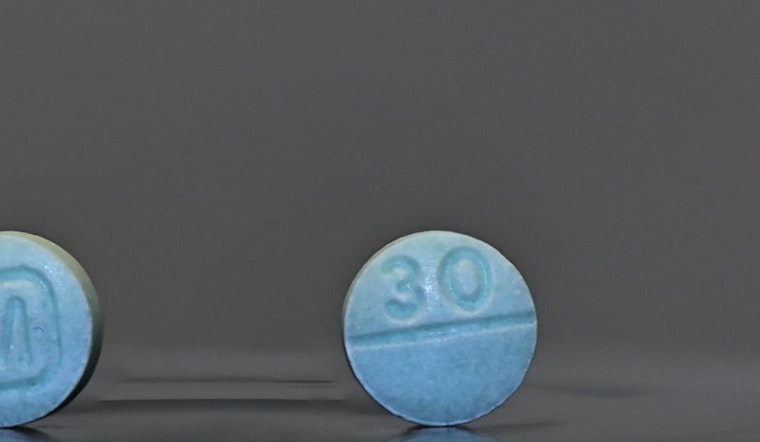
Two mothers transformed their anguish over the opioid crisis into advocacy on National Fentanyl Awareness Day, fighting to prevent the devastating loss they've experienced from claiming more lives. Josephine Dunn, harrowed by the death of her daughter Ashley to fentanyl-laced pills, has become a staunch proponent for harsher legal repercussions for dealers of the lethal drug. As reported by FOX 10 Phoenix, Dunn's efforts have helped usher in the Ashley Dunn Act in Arizona, enhancing sentences for those convicted of significant quantities of fentanyl.
Elizabeth Ripley, facing the loss of her son, Michael, channels her grief into the MLW Movement: Virginia Fentanyl Awareness, aiming to educate and equip the public against overdoses. In a statement obtained by WTKR, Ripley emphasized her wish for widespread education on the perils of fentanyl, lamenting, "I wish I would have known a lot more about fentanyl and just exactly how dangerous it is." Her organization is set to distribute opioid overdose prevention kits in collaboration with the local health department.
The shared tragedy of Dunn and Ripley underscores a broader narrative, one in which the unsuspecting succumb to the stealthy killer that is fentanyl. In Arizona, an emerging "Sale of Lethal Fentanyl" law supports Dunn's mission, classifying the knowing sale of fatal doses as a class 2 felony. This legislation recently led to the indictment of Cruzita Leon, who is accused of selling fentanyl that resulted in a fatality. Dunn told FOX 10 Phoenix, "I support that law wholeheartedly."
In Virginia, the tireless campaign against this epidemic appears to be gaining traction, with fentanyl-related overdoses notably declining. Citing progress, Virginia Governor Glenn Youngkin's office stated, "Our approach stands on four principles: interrupt the drug trade, enhance penalties for drug dealers, educate people about the dangers of fentanyl, and equip them to save the life of someone in crisis," according to an interview with WTKR. Such efforts are vital, as even two milligrams of fentanyl, a seemingly innocuous quantity comparable to grains of salt, is sufficient to end a life.





