

























































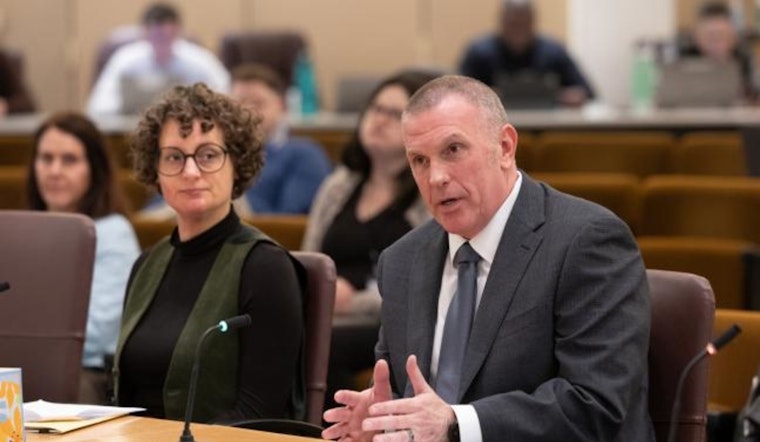
Ranked-choice voting is gradually reshaping the election landscape in Multnomah County, with the county's Board of Commissioners getting the lowdown on how this voting reform is not only progressing but setting records. In an update given on April 8, detailed by Multnomah County, elections officials shared the strides they have made so far, including an extensive voter outreach campaign and the creation of a unique hand-counting procedure for ranked-choice ballots – a first for the nation.
Adopted by Portland voters via Measure 26-228 and county voters through Measure 26-232, this voting system aims to completely eliminate primary elections. The reforms mean to fully be in place for county contests by November 2026. Tim Scott, the Elections Director, alongside Leah Benson, the project manager, disclosed they had to practically rebuild the entire voting process. "This was an absolute sprint," Scott said. "Completing such drastic changes within two years was a major undertaking for the Elections Division." Indeed, tasked to develop and deploy the new system, they had to quickly become adept at this ranked-choice system and the nuances it brings.
Milestones included the development of a new paper ballot and updating software capable of accurately counting the votes for both single-winner and multi-winner ranked-choice voting contests. Reports had to be rethought due to ranked-choice voting's complexity and need to track multiple candidates over several rounds of counting. Multnomah's efforts reportedly culminated in three different formats for reporting results, catering to varied informational preferences among the voting populace.
The Elections Division also embarked on a citywide voter education blitz alongside the City of Portland, significantly impacting voters' understanding of the new system. "Through this partnership, the Elections Division and the City collectively reached an estimated 400,000+ likely voters before the election," Benson elaborated. With the education efforts resulting in a notable increase in voter awareness, they now seek to continuously refine their approach, further smoothen the process, and solve the ever-present challenge of inclusivity in District 1, where fewer voted using the ranked-choice system.
Despite the successes, there remains the hurdle of ensuring equitable access to voting and understanding of ranked-choice voting, with officials noting lower turnouts and higher rates of ballot errors in certain districts. Scott and his team are committed to addressing these issues, considering additional staff and refining outreach and education methods. Commissioner Shannon Singleton expressed admiration for the team's transparency and dedication to learning from mistakes.
In conclusion, while the county's leap into ranked-choice voting has been both historic and instructive, the course ahead demands the Elections' office to not only maintain its focus on expanding voter education but also persist in upgrading their systems and methods. This work becomes even more critical as both Multnomah County and the City of Portland gears up for the next round of ranked-choice voting elections in November 2026, aiming to solidify a new chapter in local democracy.




