

























































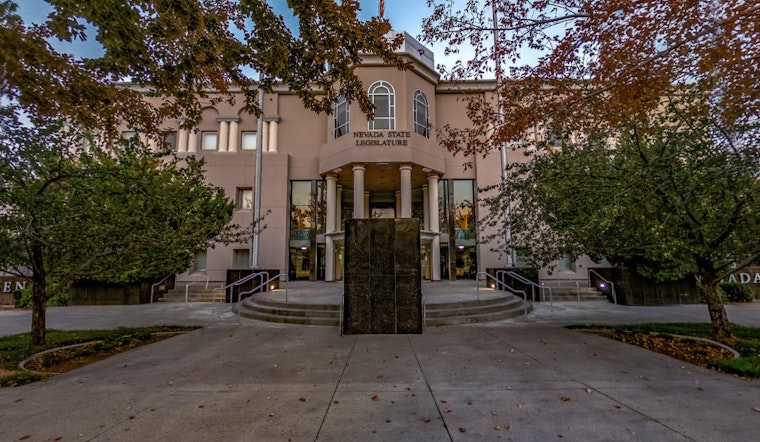
The debate over the implementation of traffic surveillance technology continues to unfold within the chambers of the Nevada Legislature, with Senate Bill 415 under particular scrutiny; this bill, if passed, would authorize the use of automated cameras to capture images of vehicles running red lights or exceeding speed limits, mailing tickets to offenders as a punitive measure. According to 8 News Now, the proposed system aims to enhance roadway safety and has gained the support of various state and county officials, including Las Vegas Metropolitan Police Department Sheriff Kevin McMahill, who has witnessed a distressing number of traffic-related deaths in the region, stating, "I was not a proponent of traffic cameras until the last 10 years or so and the bottom line is I’m sick and tired of people dying on our roadways because of bad behavior of other drivers."
In a demonstration of the personal toll such tragedies impose, Susan Smith, who tragically lost her son Jonny in a speeding-related accident, voiced her approval for the bill on the grounds that such enforcement could serve as an active deterrent; the loss of her child was a profound reminder that beyond policy and statistics lies a grief that writes itself into the profound narrative of every life it touches, she told 8 News Now. Meanwhile, detractors express concerns regarding potential civil liberties infringements where Athar Haseebullah, Executive Director of the ACLU of Nevada, questioned the management and sharing of the data collected by these cameras in a statement obtained by 8 News Now.
Amidst these conversations, a series of amendments have emerged as part of the negotiation process aimed at balancing effectiveness with privacy and fairness concerns, as KTNV reports; these revisions would only permit cameras where traditional law enforcement has proven ineffective, necessitate traffic studies prior to camera installation, require a preceding 60-day public information campaign followed by a 30-day warning period, and offer financial adjustments for those who face economic hardships, while also ensuring that collected data is not shared with federal immigration officials.
Despite the promise of safety that traffic cameras portend, controversy persists, with civic groups voicing skepticism over the implementation of such surveillance apparatus, arguing it could lead to disproportionate targeting of specific communities based on race and could infringe upon civil liberties; these concerns were brought to light by public defenders and the ACLU of Nevada, along with the Fines and Fees Justice Center during a committee hearing, cautioning against a slippery slope toward mass surveillance with the potential for abuse of the surveillance data, according to a presentation prepared for the hearing accessed by KTNV.
The dialogue surrounding Senate Bill 415 and its counterparts, AB 402 and AB 527, which address the use of automated cameras in construction zones and on school buses respectively, will continue to unfold as policymakers strive to find a balance between safety measures and the preservation of personal freedoms within Nevada's roadways.





