

























































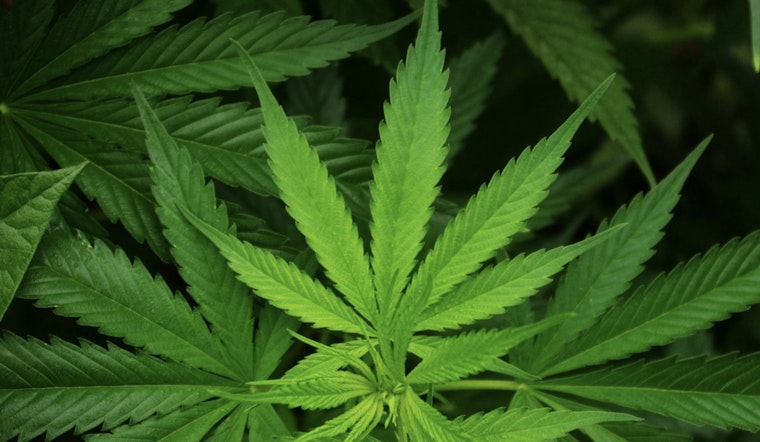
The landscape of cannabis consumption lounges in Nevada, initially seen as a potential boost for tourism, is now facing challenges. According to The Nevada Independent, only one state-licensed lounge, Dazed, remains operational amid a market downturn and strict regulations. This follows the closure of Thrive Cannabis Marketplace’s Smoke and Mirrors on April 4, which was one of the first venues in the state to permit legal cannabis consumption on-site.
Despite the closure, a tourist visiting Las Vegas expressed a desire for more accessible lounges. "There should be more lounges out there especially if you’re in a legal space and are bringing money to the city. Then they would have the ability to give users a space to do such things," Parish Maynard told 8 News Now. Meanwhile, 21 other lounges have earned approval but are yet to open, signaling that the market's potential remains untapped.
Analysts and industry consultants, however, pinpoint several factors hindering the success of lounges—ranging from the high cost barrier to entry, rigid regulations, and muted consumer interest. "What we learned over the past year is that venues open today appeal to a traditional cannabis consumer, and that is not enough for these to be viable businesses," Christopher LaPorte of RESET Hospitality told The Nevada Independent.
Reflecting LaPorte's views on the need to adapt the business model, the UNLV Cannabis Policy Institute predicts it could take up to a decade for cannabis lounges to become profitable in line with Nevada's tourism-driven economy. The Cannabis Compliance Board (CCB) also faces a challenging landscape, with Executive Director James Humm recognizing the difficulties prospective lounge operators encounter in securing appropriate locations. Despite these challenges, social equity remains a priority, as seen in legislation like AB203, which seeks to streamline the application process for social equity applicants—individuals from communities historically impacted by prior marijuana laws.
The discussion on how to integrate cannabis consumption into Nevada's hospitality industry continues. While the casino sector is required to distance itself from cannabis due to federal regulations, the Las Vegas Paiute Tribe has taken a different approach, operating a cannabis lounge on tribal land, which is not subject to state regulations. Their Sky High lounge, as noted by general counsel David Colvin, allows guests to take home unfinished products, a practice that differs from those at other lounges. As Nevada works through these challenges, the state's cannabis tourism sector continues to develop.




