

























































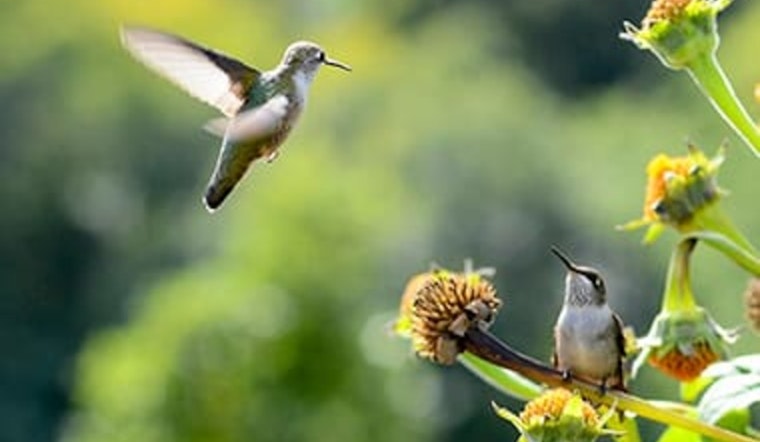
Residents of North Minneapolis can soon expect a welcome change to their local park landscapes as the Minneapolis Park and Recreation Board (MPRB) gears up to introduce new habitats aimed at supporting migrating birds and pollinators. According to recent plans unveiled by MPRB and reported by Minneapolis Parks, the green spaces at Farview, Glen Gale, and Jordan parks are set to transform with a variety of plantings that encourage ecological diversity and aid wildlife essential to the ecosystem. Construction is scheduled for the summer and fall of 2025.
The initiative will focus on cultivating pockets of prairie, woodland, oak savannah, and wetland habitats, as per the meticulously laid-out concept plans. Farview Park is slated to feature trails cutting through new woodland and savanna areas, designed to culminate at a scenic overlook boasting vistas of the Mississippi River and downtown skyline. Notably, the park will support prairie/pollinator, woodland/mesic oak, and oak savanna habitats. Meanwhile, Glen Gale Park attendees will witness the integration of wetland/prairie plantings with existing stormwater management features, while Jordan Park builds upon its recently upgraded wading pool and restroom area with a specialized pollinator planting setup.
The underlying goal of the project, beyond enhancing the beauty of the parks, is to strengthen the Mississippi Flyway—a critical migration route for millions of birds traveling between Canada and the Gulf of Mexico each year. This route, which largely follows the river through Minnesota, will benefit from the newly established greenways in the urban setting. The habitat expansion within the 26th Avenue North corridor is designed to forge a stronger natural connection between the neighborhood parks and the river itself.
A collaborative approach has marked the progress of this project. According to the MPRB, a joint technical and project advisory committee comprised of MPRB staff, agency representatives, and community organizations evaluated potential corridors based on habitat and environment, equity, Green Zones, connections, and opportunities. Out of ten citywide corridors considered, the 26th Avenue North corridor rated the highest and thus became the focus of the habitat development efforts. Funding for the project, as detailed by the announcement, comes from a grant via the Environmental and Natural Resources Trust Fund, under the endorsement of the Legislative-Citizen Commission on Minnesota Resources.
For those keen on getting involved or simply learning about the different types of habitats, MPRB has provided a series of "habitat flashcards". These educational materials offer insight into the particular needs and features of each planned biodiversity area. With the construction commencement on the horizon, North Minneapolis parks brace for a makeover that is both functional and forward-thinking, one that brings a slice of nature closer to its urban inhabitants while serving the migratory needs of winged travelers that pass over the city twice each year.




