

























































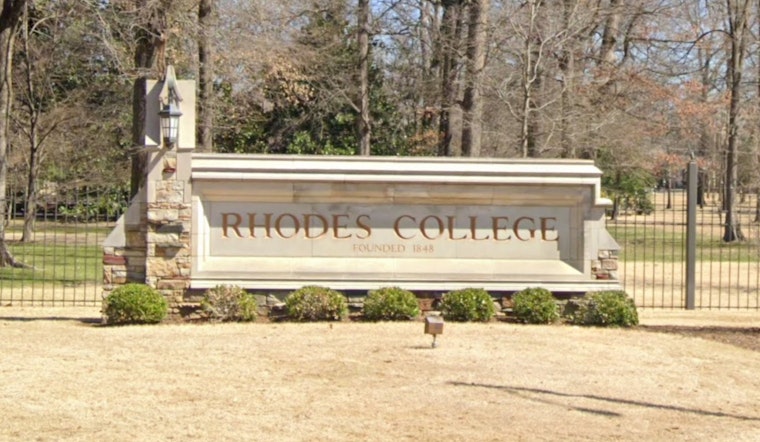
At the ASIANetwork 2025 Annual Conference, Rhodes College senior Eleanor Ellsworth stood at the forefront of academic discourse, presenting a group research project that probes the evolving culture of Asian foodways in Memphis. Rhodes, a foundational member of the ASIANetwork – a consortium of liberal arts colleges focused on Asian studies – continues to showcase scholars who walk the front lines of research and academic extrapolation in the realm of Asian cultural studies.
Held from March 28-30 in the crossings of corridors and classrooms at Trinity University in San Antonio, TX, the ASIANetwork gathering drew from a deep well of teacher-scholars and students. Together, in a symphony of intellect spanning three days, they shared and challenged each other's thoughts on pedagogy, research, and skill augmentation. Amidst them, armed with data and analyses, Ellsworth and her team revealed the undercurrents shaping the rebranding of Asian-owned food ventures in Memphis.
Under the guidance of Prof. Han Li and within the vessel of the course titled "Taste, Culture and Power: Asia and Global Foodways", the group forged a quest to understand the dynamic relationship between migration, cuisine, and cultural identity. The research conducted by Ellsworth's cadre – including Sophia Burke ’26, Stella Venn ’25, Gwen Williams ’24, and Silvia Flores ’24 – surfaced motivations for rebranding small family-owned businesses and the factors that weave into the fabric of cultural assimilation.
As our local gastronomic map redraws its borders with each infusion of cultural zest, the work by these impassioned scholars offers more than food for thought; it serves a hearty meal for discourse. "Asian Foodways in Memphis: Reasons for Rebrands," as illumined by Ellsworth's presentation, becomes a mirror reflecting our communal shifts and a lens focusing on the broader implications of cultural interweaving through the shared language of food, according to a statement obtained by Rhodes News.
As we continue to savor the rich discussions emanating from platforms like ASIANetwork, the scholarship rooted in institutions like Rhodes becomes a vital ingredient in the ever-evolving recipe that is the study of Asia in a liberal arts context. The conference itself may have concluded, but the conversations it catalyzed will undoubtedly simmer long into our collective academic pursuit.





