

























































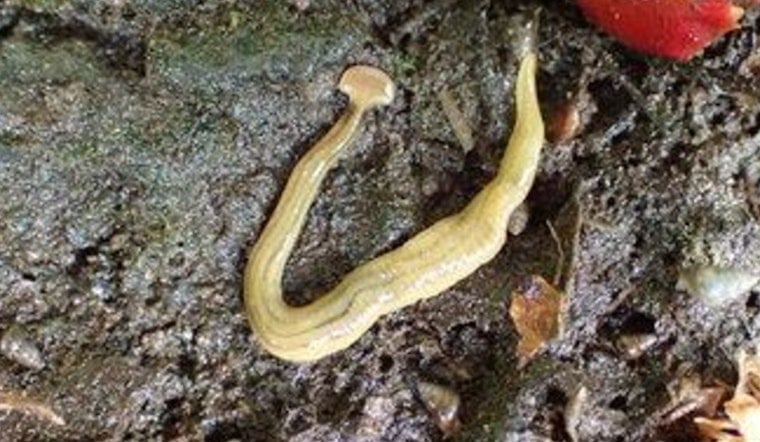
Hammerhead worms - long, flat, shovel-headed invaders - are popping up in yards across Tennessee, and experts want gardeners to handle them very carefully. These carnivorous flatworms feast on earthworms, which normally help keep soil loose and rich, and they secrete a slimy toxin that can irritate skin. If you spot one, skip the bare-hand heroics, do not chop it up, and instead use gloves or a stick to move it into a sealed bag before treating it with salt, rubbing alcohol, or a citrus-oil and vinegar spray.
Protect Tennessee Forests, a campaign of the Tennessee Department of Agriculture Division of Forestry, says it has been getting more reports from across the state, according to WSMV, which covered the issue on July 20, 2026. In a Facebook post, the campaign warned that “fewer earthworms means less aeration, less decomposition and less nutrient cycling for your garden and surrounding ecosystems,” and urged careful removal instead of casual squashing.
Where They Came From
Hammerhead flatworms are native to Southeast Asia and are believed to have reached the United States more than a century ago in nursery plants and potting soil. The National Invasive Species Information Center notes that the primary way they spread is through the movement of infested plants and soil.
Why Gardeners Should Care
These predators target earthworms and other soil invertebrates, which can undercut soil aeration and nutrient cycling in lawns and garden beds, according to the University of Tennessee Extension. Laboratory work has also identified tetrodotoxin - the potent neurotoxin found in pufferfish - in at least two Bipalium species, although human cases are uncommon, according to a study in PLoS ONE.
How To Remove A Hammerhead Worm Safely
Experts say you should not pick up a hammerhead worm with bare hands and should not cut it into pieces, because the fragments can regenerate into new worms. Instead, use gloves or a stick to move the worm into a sealed bag or container, then apply salt, rubbing alcohol, or a citrus-oil and vinegar spray. The Texas Invasive Species Institute also recommends sealing treated specimens and freezing them before disposal. If you are unsure how to handle a specimen, contact local extension staff rather than experimenting with treatments that could damage your plants.
How To Avoid Spreading Them
To keep hammerhead worms from hitching a ride into your yard, inspect new plants and landscaping soil before adding them to beds or potting mixes, and isolate any suspicious pots until you can confirm they are clear. North Carolina State University Extension advises gardeners to photograph any finds, keep the worms contained, and upload images to citizen-science platforms like iNaturalist so researchers can track their distribution.
If you do find a hammerhead flatworm, take a photo, note the exact location, and upload the sighting to iNaturalist. You can also report it to regional tracking groups such as the Texas Invasive Species Institute reporting portal, or reach out to your county extension office for help with identification. Keeping a close eye on potting soil and nursery stock, and disposing of specimens safely, helps protect the earthworms that Tennessee gardeners depend on.





