

























































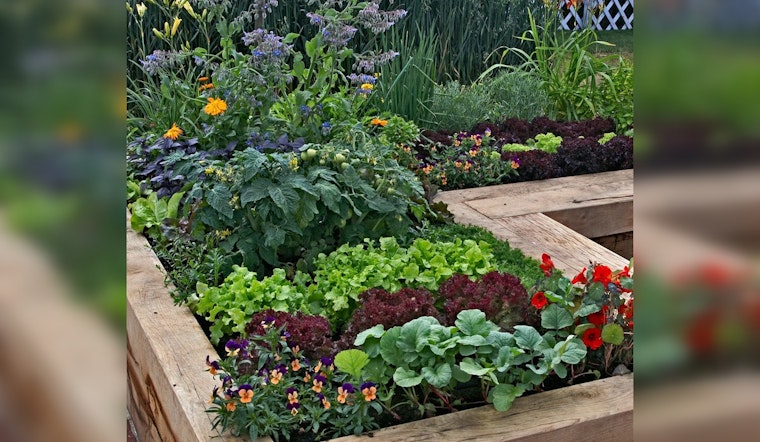
As spring unfolds and amateur agrarians start plotting their plots, the topic of companion planting is sprouting up in gardens and conversations alike. Lorrie Rugg, Coordinator for the Master Gardener Program in Rice and Steele counties, has recently shed light on the subject, urging gardeners to consider who's bunking with who among their veggies. Simply put, some plants just get along better than others, and this can have a host of benefits for your garden's health and productivity.
Rugg pointed out that her limited space makes major crop rotations impractical. Dealing with deer topping tall plants despite a 4-foot defensive perimeter has conditioned her to graciously accept that these treats are enjoyed by the invaders, in a statement obtained by Rice County's official website.
Diving into the dirt of companion planting, Rugg found that peppers prefer the company of basil, marjoram, onions, and oregano—herbaceous housemates that boast insect-repelling properties. Tomato plants get chummy with an eclectic crew including asparagus, garlic, and thyme, each offering their pest deterrence, pollination assistance, or flavor enhancement services. These recommendations come from Rugg, who explains, "Basil repels whiteflies, mosquitos, spider mites and aphids" and "thyme reduces egg laying by armyworms."
Cucumbers also join the companion parade with beneficial bunkmates like beans, nasturtiums, and radishes. Radishes go the extra mile, not only being good neighbors by repelling flea beetles but taking a proactive stance against cucumber beetles, who never saw a radish they liked. For those with a soft spot for zucchini and summer squash, buckwheat, nasturtium, and zinnias make excellent garden pals, fostering a mini-ecosystem that beckons pest predators and pollinators alike. "Who knew tansy and borage could improve the flavor of cucumbers?" Rugg told Rice County's website.
By pairing plants with different root structures, gardeners can aid in soil aeration and nutrient uptake, further explained by Rugg. Interested green thumbs can dig deeper into the hows and whys of companion planting by visiting the University of Minnesota Extension website and searching for "Companion Planting in Home Gardens."




