

























































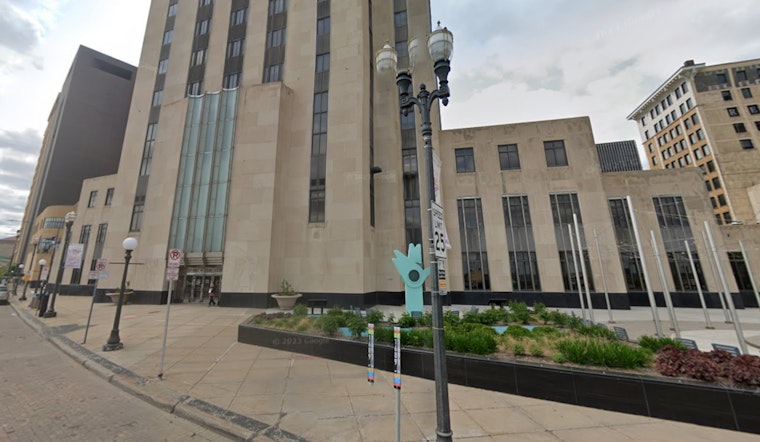
In the face of operational hurdles, Saint Paul's Mayor Melvin Carter has enacted a state of local emergency to maintain a consistent flow of citywide garbage collection services. This move, kicked into gear at the strike of 12:01 a.m. today, steps over current zoning stands to let trash hauling tasks roll on amidst final legal and zoning issues getting ironed out. As reported by the city's official announcement, Carter emphasized the essential nature of stable refuse services, tagging them as a cornerstone of health and well-being for each city dweller.
State dictums mandate that all residential homes and businesses have access to solid waste collection—such is the rule embedded within Minnesota law 115A.951. The urgent decree by Mayor Carter aims to keep the city on track with its obligations as it transitions toward a revamped collection framework. "Trash service is a critical public service that impacts the basic health and wellness of every resident," Mayor Carter elucidated as per the city's news release. An extension of this declaration beyond the initial three days, nevertheless, would require the green light from the Saint Paul City Council at a convening slated for April 2.
The transition to the new waste handling norm means that FCC Environmental Services steps into the picture as they gear up to become the primary trash hauler for the majority of Saint Paul residents starting this week. In this shuffle, the company locked down the property at 560 Randolph Avenue, intending to make it their command center for Saint Paul operations, complete with a natural gas refueling platform for their fleet of 30 fresh-from-the-factory collection trucks. The city had initially okayed the use of this site in compliance with I-1 zoning, yet a third-party protest threw a wrench in the works, hitting pause on licensing and the permitting journey.
Committed to a solid $25 million investment in their Saint Paul operations, FCC Environmental has shot back with additional documentation to quell community concerns, impacted by the ongoing "Statement of Clarification" public discourse, as Mayor Carter's office relayed. Anticipating an eventual resumption in site plan reviews, the matter is set to be reexamined by the Zoning Committee come April 10. “Public works employees and operations are the foundation of a thriving city,” Public Works Director Sean Kershaw added, acknowledging the collective effort citywide to uphold the 'promise.'
A significant thrust in reaching an accord for the city's new garbage contract was founded on a community-involved path. A specialized Garbage Advisory Committee convened for 18 months, and their dialogue converging into a report of community-steered recommendations made public back in June 2022. Fast forward to November 2023: a Request for Proposal (RFP) hit the scene, geared up to wrap up garbage, recyclables, yard waste, and bulky item collection services for a whopping 90% of Saint Paul's modest 1-to-4-unit dwellings. The remaining 10% would come under direct city management—and to up the ante, there was buzz about a new facility aimed at enhancing alley routes while wooing local talent—already, the Department of Public Works' staff boasts a 52% residency rate in Saint Paul.
After cracking open the competitive bidding safe, the city pinned the contract badge on FCC Environmental Services for a seven-year stint. This contract extended itself to not just waste hauling, but direct recycling services as well, reaching over 50,000 Saint Paul households since just November 2024.




