

























































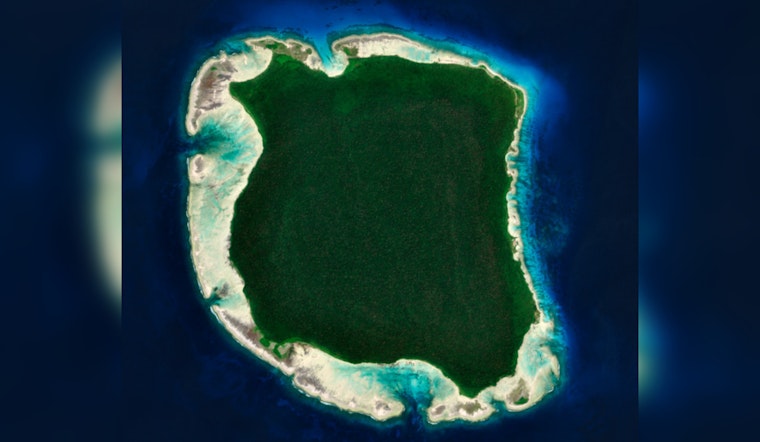
Authorities in India have detained Mykhailo Viktorovych Polyakov, a 24-year-old American from Scottsdale, Arizona, after his efforts to interact with the Sentinelese tribe on the prohibited North Sentinel Island, as reported by ABC15. According to Senior Police Officer Hargobinder Singh Dhaliwal, Polyakov relied on GPS for his voyage and observed the island with binoculars before invading the restricted area, and upon returning to his boat after leaving a can of Diet Coke and a coconut as an offering, he was reported by local fishermen leading to his arrest on March 31st.
The Sentinelese people are known for their hostility towards outsiders and their wish to remain isolated, a fact reiterated by Survival International, which has criticized Polyakov's actions as "reckless and idiotic." He not only endangers the tribe's safety but also poses a risk of outside diseases, for which the tribe has no immunity. They added that his activities were "deeply disturbing," as quoted in a BBC report. Polyakov's arrest has shone a spotlight on the influence of social media influencers on uncontacted tribes, with Survival International's spokesperson Jonathan Mazower expressing concern to the BBC about this "new and increasing threat," especially as influencers chase sensational content for online followers.
Despite repeated warnings and a strict prohibition on visiting North Sentinel Island, Polyakov made the trip and even filmed his attempts to get the tribe's attention by whistling from offshore for an hour before landing briefly on the beach where he collected some sand samples, recorded a video, and left his offerings. Footage from his GoPro confirmed these events, according to the Andaman and Nicobar Islands' police chief HGS Dhaliwal's statement to BBC. His actions have led to legal consequences, with charges that may result in a sentence of up to five years in prison and a fine. He is due back in court on April 17.
Survival International emphasizes the gravity of such illegal interactions with isolated groups, noting the tribespeople's remarkable health despite their complete seclusion, and the Sentinelese are described as "the most isolated Indigenous people in the world," living on an island roughly the size of Manhattan with a population that's difficult to estimate but could be around 200 according to Caroline Pearce of Survival International, in a statement obtained by ABC15. The incident underscores the importance of governmental measures to safeguard such vulnerable communities, amidst concerns over India's execution of initiatives meant to protect tribal welfare.





