

























































The Seattle City Council has unanimously approved new safety measures for after-hours lounges, voting 6-0 in favor of the ordinance. The move aims to address the recent rise in nightlife-related violence, particularly during the early morning hours. The decision follows a double murder at a nightclub in Rainier Beach, with the regulations focusing on improving public safety at establishments operating from 2 a.m. to 6 a.m.
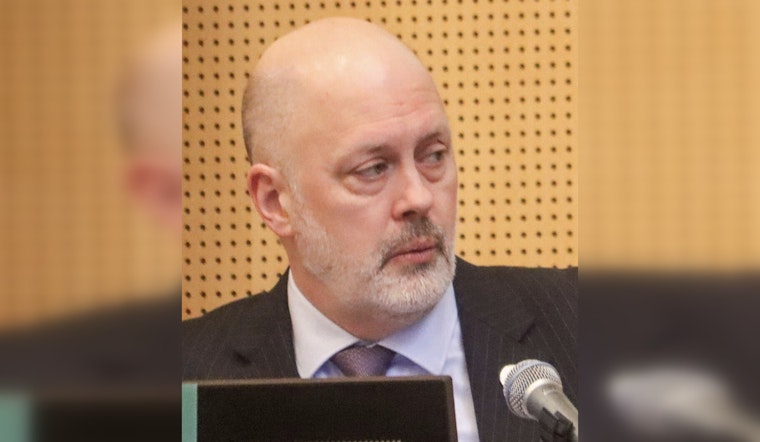
Councilmember Bob Kettle supported the legislation, noting the collaborative effort involved in its development. He acknowledged the contributions of his colleagues and City Attorney Davison in creating the new safety standards. "The after-hours lounge legislation is an overdue measure to protect these businesses, their patrons, and the surrounding neighborhoods," Councilmember Kettle told the Seattle City Council. The newly enforced ordinance requires lounges to keep current with licenses, employ two security guards, have video surveillance on the premises, draft a safety plan, and allow police officers to enter freely during business hours.
City Attorney Ann Davison, referring to a now-closed venue known for violence, stated, "With the closure of the Capri Lounge, we have eliminated a dangerous hotspot of gun violence." She continued, emphasizing the urgent need for a long-term plan to tackle such violent hotspots. "But for the two people senselessly murdered, and for their families, the closure comes too late," Davison stated in the news release. The legislation is estimated to impact approximately 20-30 venues citywide.
The ordinance is planned to go into effect one month after mayoral approval. Once active, the city's Finance and Administrative Services Department will oversee enforcement, with fines beginning at $1,000 and escalating up to $5,000 for repeat violations.





