

























































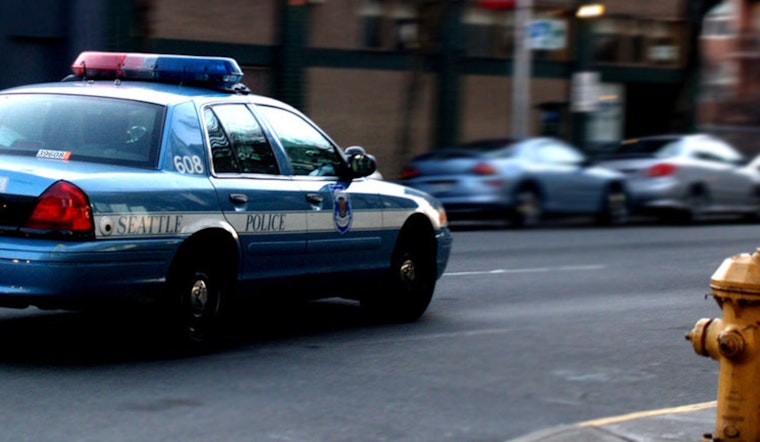
In a bid to shield their identities tied to the controversial "Stop the Steal" rally on January 6, 2021, a group of four current and former Seattle police officers has taken their case to the U.S. Supreme Court. As reported by KOMO News, these officers were among six to be scrutinized by the Seattle Police Department under the directive of then-Chief Adrian Diaz, who ordered the Office of Police Accountability (OPA) to investigate their actions during that day in Washington, D.C., to determine if any laws or department policies were broken.
The officers are challenging the potential release of documents that could reveal their personal details. According to a Washington Post article, the officers were pressed on their political leanings during the OPA interviews, which sought to clarify if their presence at the January 6th rally showed support for a political group and to gauge their reactions to the events of the day.
Particularly concerning for the officers, as the CBS News coverage indicates, is the disclosure of their political beliefs and mental impressions of the rally. The petition emphasizes that this information was extracted "under threat of termination," implying a coerced participation in the investigation process, which could impact their careers and personal security.
Caught in this legal dispute is Sam Suekoa, once a law student, who filed public records requests aiming to uncover details from the investigation, including the aforementioned interview transcripts. Reviewing the Does' motion for a stay, "we are," Neil Fox, representing Sueoka, told CBS News. As this case continues to unfold, the Supreme Court's decision will set a precedent on the delicate balance between public interest in police conduct and the privacy rights of law enforcement officers.





