

























































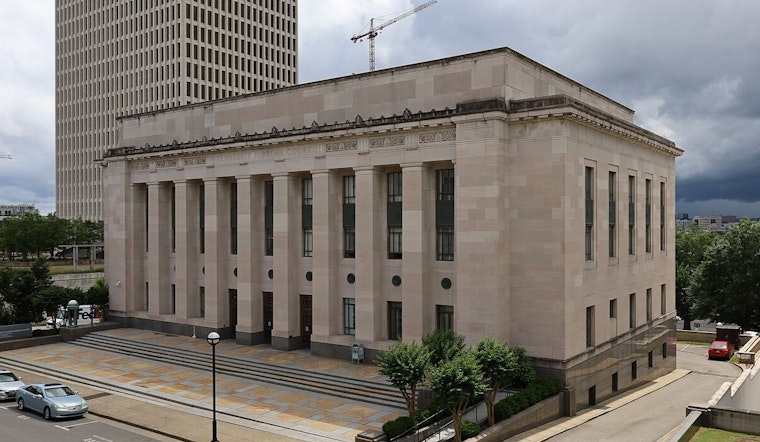
The Tennessee Supreme Court is taking a significant stride toward addressing the state's indigent legal representation issues, thanks to a budgetary nod from the Tennessee General Assembly. An amended budget, which was approved yesterday, makes way for a $17 million investment into the court's innovative Indigent Representation Plan. As highlighted by the Tennessee Courts announcement, this includes $13 million in recurring funding and $4 million in one-time start-up funds.
Spearheading this boost is the creation of 14 new positions aimed at tackling ongoing obstacles in retaining and compensating lawyers who step in for those unable to afford legal representation. “This funding puts us in a financial position to take a transformational step forward to safeguard the fair and impartial administration of justice in Tennessee,” said Chief Justice Holly Kirby. In expressing gratitude, she noted the collaborative effort spanning legislative leaders, the Governor's Office, district attorneys, public defenders, and the Tennessee Bar Association.
The path to the revamped plan involved a comprehensive approach, as the Administrative Office of the Courts (AOC) engaged with various stakeholders and examined out-of-state strategies for delivering indigent services. AOC Director Michelle Long acknowledged that the initiative arose from a collaborative effort. “Thank you to all who have worked with us. We look forward to continuing to work with you as we look ahead and improve Tennessee’s system of indigent representation," Long affirmed.
The anticipated outcome of this overhaul is a dedicated Office for management and oversight, which will be governed by a Commission established by the Supreme Court. Based on Fiscal Year 2023 data, the newly formed Office is expected to manage roughly 76,000 cases annually.





