

























































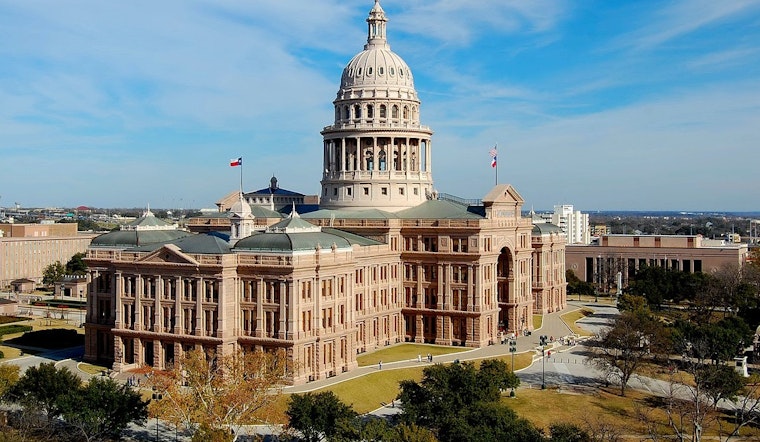
The Texas House of Representatives, after an exhaustive debate lasting approximately 13 to 15 hours, gave its nod to a massive $337 billion budget intended to chart the state's fiscal course over the next two years. Approval arrived in the early morning hours with a significant majority of 118 to 26 votes in favor. The budget, as reported by CBS Austin, encompasses nearly 400 amendments proposed by lawmakers, an attempt to direct the state's financial resources across various departments and programs.
The hefty budget package allocates a substantial $51 billion towards maintaining current property tax cuts and introducing new ones, further responding to the pressure from Republican lawmakers to alleviate one of the highest property tax burdens in the nation. State Representative Mike Olcott of Fort Worth expressed dissatisfaction with the extent of relief provided, stating to CBS Austin, “I cannot go back in good conscience go to my constituents and tell them out of $24 billion dollars in surplus money that belongs to them, that I can come back and support a budget that is only going to return $6.5 billion of that."
Education has emerged as a key focal point, commanding the largest portion of the state's spending. The proposed budget earmarks approximately $134 billion for education, with expectations to bolster teacher salaries and enhance per-student funding. Additionally, $1 billion is poised to foster the establishment of Education Savings Accounts, a measure that aligns with Gov. Greg Abbott's school voucher plan as outlined by KUT. This initiative, also encapsulated in Senate Bill 2, has stirred controversy, and its fate is yet to be decided in the House in the coming week.
On the other side of the spectrum, some Democratic State Representatives like Gina Hinojosa of Austin perceived the budget as an affront to public education, pointing out moral concerns. "The budget is a moral document, this budget is an immoral attack on our students and public schools,” Hinojosa informed CBS Austin. The House and Senate, still tussling over intricacies of taxation and business exemptions, have settled on a shared intention to disburse an estimated $6 billion in new property tax relief, with differing visions on distribution between homeowners and businesses.
The next phase involves a behind-the-scenes negotiation between the House and Senate to resolve disparities in their respective spending plans, a process that will determine the final contour of the budget for the 2026-27 biennium. As both legislative chambers engage in these discussions, the significance of this budget as a roadmap to Texas' fiscal priorities cannot be overstated, and its passage is a constitutional mandate for state lawmakers.





