

























































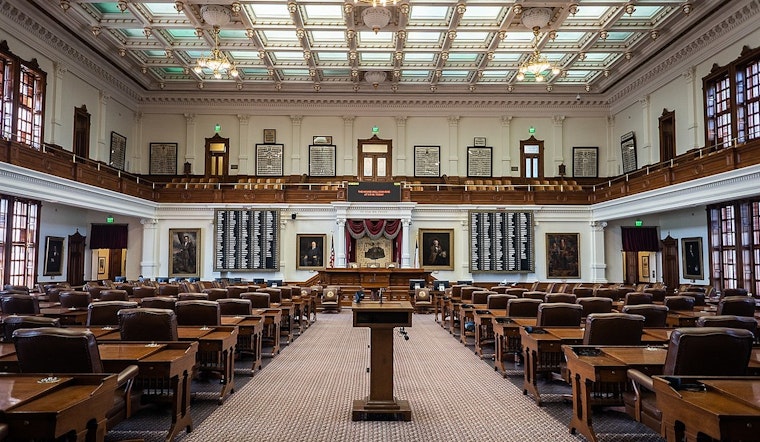
The Texas House of Representatives recently engaged in a vigorous debate over the state's proposed $337 billion budget. A traditional "House Budget Day" saw lawmakers parsing through over 300 filed amendments during marathon sessions that extended into the predawn hours. Policy Director at Texas 2036, Rahul Sreenivasan, described the night as a reflection of the state's priorities, highlighting how resource allocation is indicative of legislative focus, according to a report by CBS Austin.
Of the many proposals discussed, a contentious series filed by State Rep. Mitch Little (R-Lewisville) sought to increase funding for the Texas Attorney General’s Office. However, these ran into procedural roadblocks when earlier amendments effectively depleted the very funds Little aimed to reallocate. This unforeseen move sparked frustration among some conservative lawmakers, capturing the unpredictable nature of the budget process. As State Rep. Brian Harrison (R-Midlothian) lamented, "This tyrannical motion effectively silences millions of people," as stated in the same CBS Austin report.
In a turn of events, the Texas House made headway by passing Senate Bill 1 and the supplemental appropriations bill, House Bill 500. These measures outline state spending for the coming biennium, handling a $24 billion surplus. The House vote concluded with 118-26 in favor of SB 1 and 122-22 supporting HB 500. Clarifying the status of the defunded Texas Lottery Commission, State Rep. Greg Bonnen (R – Friendswood), stated, "We will determine in our negotiations with the Senate how that turns out." The process for these critical bills continued till nearly 3 a.m., as covered in a live update by KXAN.
Additional amendments affecting social initiatives were passed, including one by former Uvalde mayor Don McLaughlin, which dedicated $12.5 million to the Uvalde Behavioral Health Campus, a facility aimed at serving mental health needs across 32 counties. On the other hand, State Rep. Mary González's (D-El Paso) amendment unexpectedly defunded the Texas Lottery operations, a move confirmed yet not fully understood even by its proponents like State Rep. Donna Howard (D-Austin), who, when questioned about that intent, said she didn't know, according to reports from KXAN.
The adjustments to the budget signified Texas's commitment to critical areas such as public education, border security, and property tax relief. Additionally, investments are planned for energy and law enforcement funding. The intricate dance of policymaking showcases a legislative body grappling with the allocation of a robust surplus for the prosperity of Texans while navigating the subtle and sometimes abrupt modifications that define legislative procedure.





.jpg)