

























































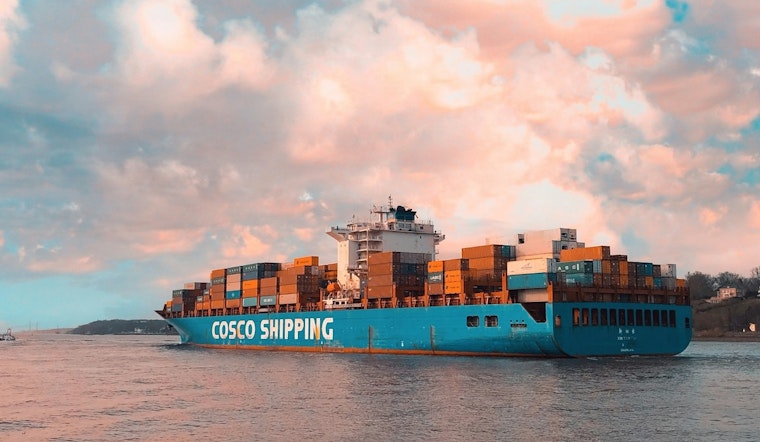
The escalating trade war took a dramatic turn on Wednesday as President Donald Trump's latest round of tariffs on foreign goods, which included a mammoth 104 percent import tax on Chinese goods, went into effect. Not one to take such measures lying down, China responded with its heavy-handed tariffs of 84% on US goods. The retaliation was part of a broader response that also saw new tariffs from the European Union on US imports, with both trade partners standing defiant in the face of Trump's aggressive trade maneuvers.
As reported by WGN-TV, the tariffs are meant to hit nearly all foreign trading partners, with around 125 countries facing a 10 percent import tax on products entering the U.S. Lesotho, a small African nation, saw tariffs increased to 50 percent. The fallout from these policies, though aimed at bolstering domestic manufacturing and curbing drug influx, according to the president, has shaken markets globally, causing stock market dives across Asian and European markets, and raising concerns over the impact on U.S. consumer prices.
Beijing's Commerce Ministry was quick to denounce the measures, saying in a statement obtained by CNN, "The US escalation of tariffs on China is a mistake upon mistake, severely infringing upon China’s legitimate rights and interests, and seriously damaging the multilateral trading system based on rules." Both economic superpowers have now dug their heels into a trade standoff that shows no signs of abating in the foreseeable future.
The situation has been further complicated by the EU's decision to begin collecting retaliatory duties on US imports starting Tuesday, a move born out of previous US tariffs on all imports of steel and aluminum. According to CNN, the European Commission stated that "These countermeasures can be suspended at any time, should the US agree to a fair and balanced negotiated outcome." All these trade barriers, mounting on each other, have only seemed to entrench each side further, giving way to increased volatility in the financial markets.
While some U.S. officials remain unwavering, with U.S. Treasury Secretary Scott Bessent downplaying China's retaliation, telling Fox Business that China doesn't "want to come and negotiate" a tariff deal, the global economy is bracing for the shockwaves of this trade war. Bessent claimed China to be the "worst offenders in the international trading system," indicating that the Trump administration's tariff policy is a long game aimed to rectify what it sees as imbalances. Yet, as these economic giants exchange blows through tariffs, it is the worldwide markets and possibly the consumers, both American and international, who might ultimately bear the brunt of this high-stakes economic face-off.





