

























































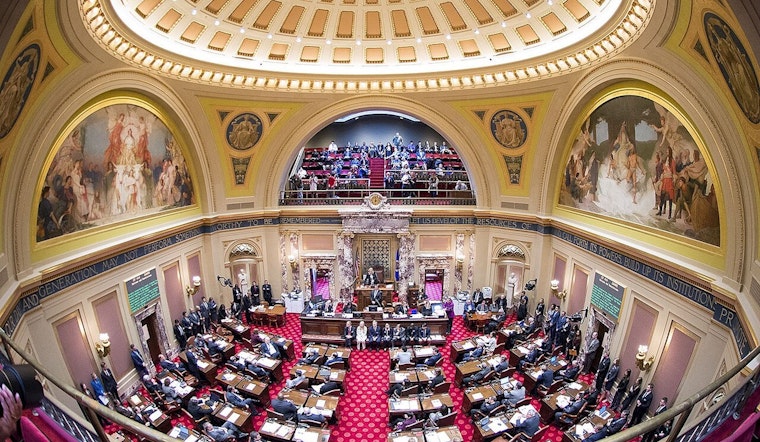
Minnesota's approach to restorative justice received a significant legislative push with Senator Sandy Pappas (DFL-St. Paul) at the helm, championing a bill through a unanimous Senate vote on Friday, April 25. The legislation, referred to as SF 2200, solidifies the privacy of restorative justice practices, making such information inadmissible in court, akin to the confidentiality of dialogues with therapists or religious confidants. Highlighting the bipartisan support, the vote tally announced was a sweeping 64-0, signaling a shared commitment across party lines to evolve the state's criminal justice system.
The bill encourages a more authentic engagement from both crime victims and offenders by assuring that admissions of guilt or other statements made during restorative justice sessions won't be used against individuals in court proceedings. The bill was propelled by the recognition that potential legal repercussions have deterred meaningful participation in the past, leaving victims, particularly survivors of sexual violence, without the validation they seek from the legal system and perpetrators with a fear of admitting wrongdoing. According to the Senate DFL's announcement, this is a step toward affording survivors the chance to be heard and believed—a chance often denied within the confines of a legal structure not tailored to their emotional and psychological closure.
In a statement highlighting the impact of this legal shift, Senator Pappas said: "Restorative justice practices create a space where people who are navigating the aftermath of a crime can engage with honesty and vulnerability." Pappas further noted, "This will particularly help survivors of sexual violence, who are often failed by the legal system and whose only hope of closure comes through restorative practices." This sentiment captures the essence of the bill—opening the door for closure for victims and accountability for perpetrators without the binding fear that their participation might lead to further charges.
With the Senate's passage, SF 2200 now awaits further action, as the Minnesota legislative process continues its forward march, proponents of the bill argue that it addresses a crucial gap in the justice system, wherein the emotional needs of victims and the opportunity for redemption for offenders are often sidelined, and by granting this legal protection, the bill encourages a deeper, more healing dialogue that reflects the complexities of crime and its consequences on the human psyche. In her commitment to the cause, Senator Pappas demonstrated a conscientious effort to intertwine legal mechanisms with the profound human need for healing, showcasing a legislative intent that favors comprehending the many dimensions of crime beyond the scope of law and order.




