

























































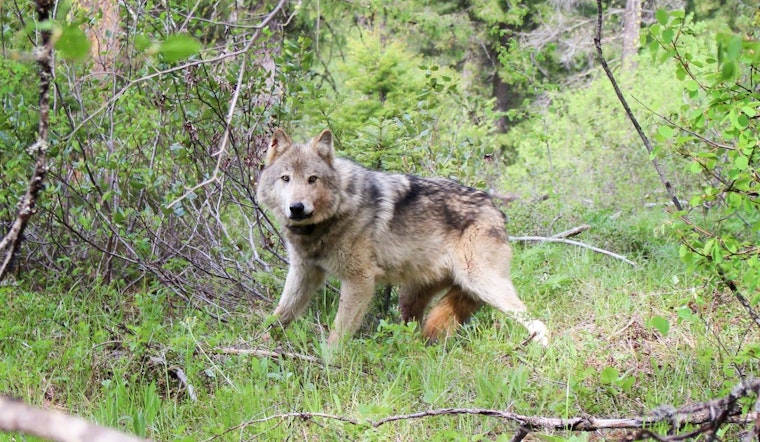
The latest figures on Washington's gray wolf population have emerged, revealing a slight uptick in packs but a dip in the overall wolf count, as reported in the Washington Gray Wolf Conservation and Management 2024 Annual Report released by the Washington Department of Fish and Wildlife (WDFW). Last year's numbers tallied 230 wolves across 43 packs, a 9% decrease from 2023, which boasted 254 wolves in 42 packs.
Despite the drop in wolves, the conservation efforts have increased packs, particularly in the North Cascades. WDFW Statewide Wolf Specialist Ben Maletzke reflected on this trend, stating, "Despite reduced population counts statewide, the number of packs increased in the North Cascades in 2024, and both the North Cascades and Eastern Washington Recovery regions continued to meet or exceed recovery objectives for the fifth year in a row," which maintains the ecosystems' balance even though the overall count has diminished, with the Eastern Recovery region housing 31 packs and the North Cascades 12. Three new packs gained recognition last year, adding to the potential for growth across the state.
In confronting wolf mortalities, WDFW documented 37 in 2024, with causes ranging from lawful tribal harvests to poaching. WDFW Director Kelly Susewind spoke out against unlawful killings, stressing the active hindrance they pose to the wolves' recovery and the state's ability to eventually delist them as an endangered species. "Poaching wolves is unacceptable," Susewind emphasized, "illegally killing a wolf or other endangered species is a gross misdemeanor, punishable by up to a $5,000 fine and one year in jail." Notably, poaching accounted for seven of the reported deaths, with one case potentially leading to charges, reflecting a continuous battle against illegal wildlife activities.
The report also underscores the ongoing challenges between wolves and livestock, detailing 40 depredation events in 2024, where wolves were confirmed or suspected in cattle and domestic animal injuries and deaths, even though up to 23% of the packs were implicated. The majority, or 77% of the known packs, were not involved in known or probable attacks. Seemingly, measures taken to prevent such conflicts are showing some efficacy, as the figures also mention WDFW staff efforts to implement non-lethal deterrents with livestock producers. Collaboration for the annual report cast a wide net, integrating contributions from an array of organizations, including the U.S. Fish and Wildlife Service and multiple Native American tribes, showcasing a broad-scale commitment to conservation goals.





