

























































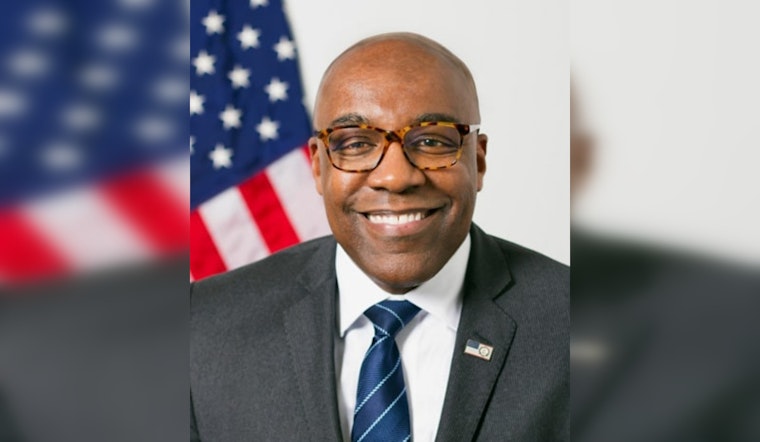
Attorney General Kwame Raoul has teamed up with a coalition of 18 other attorneys general in a unified front to seek a preliminary injunction against President Trump's executive order on elections, which they argue represents an unlawful overreach, according to an Illinois Attorney General's Office news release. The order, signed in March, allegedly imposes unjustified voting restrictions that require documentary proof of citizenship for voter registration and aim to reconfigure ballot-counting procedures established by the states.
Raoul emphasized the necessity for the courts to intervene and halt this executive order, asserting that it falls beyond the bounds of presidential authority, which constitutionally is the domain of Congress and the states. "Instead of imposing voting restrictions, we should focus our efforts on encouraging more Americans across the country to participate in the democratic process," Raoul is quoted as saying in the news release. The attorneys general are also contending that the changes ushered in by the executive order threaten the integrity of their election processes and have necessitated state election officials to reassess how they will comply with these new voter registration mandates and the looming potential loss of federal funding.
In their legal challenge, inaugurated earlier in the district court of Massachusetts, the attorneys general argue that the provisions in question not only exceed the scope of presidential powers but also contravene established law. This lawsuit follows their belief that the modifications sought by the executive order are unconstitutional. The lawsuit was backed by a sweep of states, including Arizona, California, and New York, among others, signaling a significant pushback against the administration's initiative.
The executive order, with its rigid documentary proof requirements and adjusted ballot receipt deadlines, employs threats of enforcement action by the U.S. Attorney General and manipulates state behavior through funding conditions. According to the attorneys general, the states are now facing the challenge of quick implementation of these new rules, which requires considerable resources committed to training, educating, and supporting both local officials and the populace in a race against time and practicality. The attorneys general are united in this battle, joined by representatives from states across the country, from Hawaii to Vermont, in their effort to defend the traditional procedures that honor the voting rights of citizens.





