

























































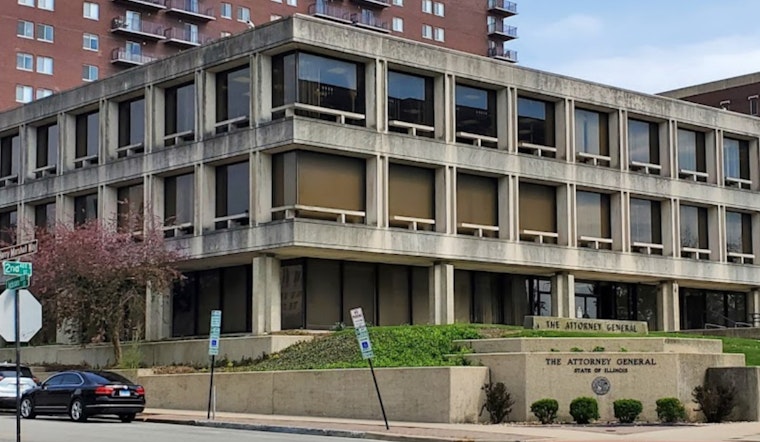
In a bold stand against what they deem unconstitutional overreach, Attorney General Kwame Raoul and a coalition of 20 attorneys general have launched two separate lawsuits against the Trump administration. The legal challenge confronts an attempt by the administration to leverage billions in federal emergency and infrastructure funding in exchange for state compliance with federal immigration enforcement efforts.
Announced earlier this week, Raoul, along with attorneys general from states including California, New Jersey, and Rhode Island, took legal action against both the Federal Emergency Management Agency (FEMA) and the Department of Transportation (DOT). Speaking to the gravity of the situation, Raoul articulated, "The funding states receive from FEMA and the Department of Transportation are, quite literally, lifesaving." He added, in a statement obtained by the Illinois Attorney General's Office, "This critical funding has nothing to do with immigration, and the administration’s attempts to hold it hostage unless states agree to do the federal government’s job of civil immigration enforcement is unconstitutional and outrageous."
The two lawsuits highlight the Trump administration's recent changes to federal funding conditions administered by FEMA and DOT, which now include directives requiring state cooperation in immigration law enforcement as a prerequisite for receiving funds. These funds, traditionally aimed at disaster relief and infrastructure, affecting safety across roads, railways, and skies, now carry the additional and controversial caveat of immigration enforcement participation. As part of their litigation, the coalition marks these amended requirements as legally unsound and a stranglehold on state resources critical for public safety and well-being.
In Illinois, which received over $122 million from FEMA and more than $2 billion from DOT last year, these newfound terms pose a significant risk to public infrastructure and safety net services. The lawsuits staunchly defend the position that the conditions set forth by the Trump administration's officials, including DHS Secretary Kristi Noem and DOT Secretary Sean Duffy, are beyond their legal purview. The attorneys general argue that such federal dollars are meant to aid states in emergency preparedness and infrastructure upgrades, not as bargaining chips to enforce immigration law.
The legal pushback also encapsulates the detrimental impact these conditions could have on the trust between law enforcement and immigrant communities, an aspect crucial for promoting public safety. Raoul and his fellow attorneys general emphasize that these immigration clauses, attached to necessary federal funds, will not only impair essential services but erode the community relationships foundational to effective law enforcement. The coalition's lawsuits stand as a pivotal moment – a collective refusal by states to permit the federal government's manipulation of critical funding streams to achieve objectives unilaterally imposed and misaligned with the original purposes of these financial aids.
Support for Raoul's lawsuit stance extended beyond Illinois, encompassing a myriad of states from across the nation. Attorneys general from states like Colorado, Delaware, Maryland, and New York, among others, joined in filing these legal challenges, illustrating a collective resistance to the administration's perceived co-option of federal funds for its own immigration policy ambitions.





