

























































In an effort to curb the influx of lost pets in the Chicago area, Chicago Animal Care and Control has introduced a novel, round-the-clock microchip scanning station designed to expedite the reunion of our furry friends with their anxious owners, the Chicago Sun-Times reports.
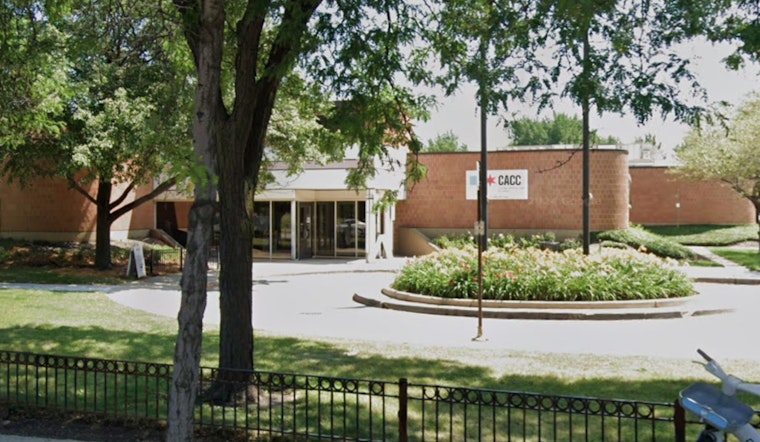
Set outside the Animal Care and Control facility located at 2741 S. Western Ave., the station is a self-service tool that works 24/7, enabling good Samaritans and pet owners alike to scan for an animal's implant—potentially preventing the need for pets to enter the shelter system, where they're held for a period of seven days before becoming eligible for adoption, other commitments may take a backseat as this innovative measure promises a streamlining of the pet-finding process, according to statements made by Susan Cappello, the agency's acting executive director, obtained by the Chicago Sun-Times.
The microchips, which are roughly the size of a grain of rice, are implanted in the pet and activated using radio frequency identification technology when scanned; the microchips themselves are dormant and do not require battery power, but become active once scanned at animal shelters, vet clinics, or even police stations, owners should register their details with the chips using a registry database, instructions for which can easily be located on the American Animal Health Association's website.
The newly launched scanner also simplifies the process for those who find a lost pet; you press a button, hover the device over the animal's shoulders until it beeps, then a chip number will appear, "This is our way to get them reunited a lot quicker than coming into the shelter, being processed and making phone calls waiting until we open at noon the next day to come in to find your pet," was a statement pertaining to the convenience and efficiency of the device, made by Cappello in an interview with CBS News Chicago.
Residents like Breanna Feigenbaum, who came across a stray dog she affectionately named Penny in the Beverly neighborhood, praised the scanning station for its potential to make an impact, "I hope that we have more that are installed throughout the city, because we can definitely benefit from it as a community," she told CBS News Chicago. Feigenbaum’s situation highlighted that not all found pets are chipped; however, she remains hopeful for Penny's return to her rightful home, a sentiment shared by the animal control agency, which also advises that microchips can migrate within the pet's body, hence the importance of a thorough scan.





