

























































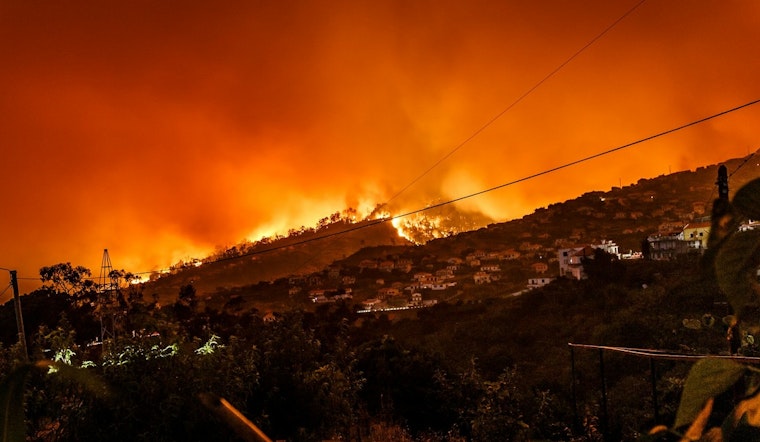
Coconino County, a region with a "very high risk" for wildfire, is at the forefront of a distressing trend that's gripping parts of the western United States. As insureds grapple with rising premiums and policy non-renewals, the county is taking a proactive stand by hosting a series of public work sessions focused on wildfire preparedness and its impact on insurance. According to Coconino County's announcement, these discussions aim to draw on experiences and strategies from state and national experts in mitigating the wildfire risk and the knock-on effect on insurance accessibility.
The first session, an opportunity for residents to both learn and contribute, is set for June 3 at the Coconino County Administrative Building. For those unable to attend in person, it will be available via a live stream on the county’s YouTube channel and the Coconino County Flood Control District’s website shortly after. Kimiko Barrett, Ph.D., a Senior Research and Policy Analyst at Headwaters Economics, underscored the urgency of the situation. "The rising costs of wildfire recovery and rebuilding are among the reasons home insurers are raising rates, issuing non-renewals and exiting risky locations," she explained in a statement obtained by Coconino County. Barrett pointed out that this trend is only getting worse as more homes are built in high-risk areas.
With over 120,000 structures having burned since 2005, resulting in damages north of $70 billion, this crisis has deep local roots. Almost half of the incurred costs have fallen on the shoulders of local communities. Coconino County Board of Supervisors Chair, Patrice Horstman highlighted the multi-layered nature of the challenge. "This is an extraordinarily complex issue that will require action and investment from the federal, state and local levels, and most importantly by individual property owners," Horstman affirmed during a Coconino County interview.
Among the solutions under consideration are home hardening techniques and the creation of Firewise communities, initiatives that involve both community engagement and individual responsibility. The upcoming work sessions are more than just a platform for education, they are an imperative call to action to carve a sustainable and perhaps a more secure path forward. For more details and how to contribute to these conversations, those interested can refer to the official Coconino County page.




