

























































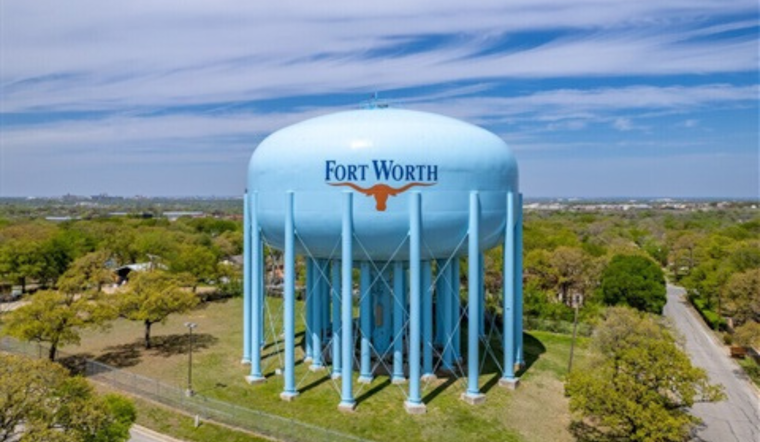
Residents of the city will soon have their say on the future of their faucets and sewers as the City Council prepares to host a public hearing on May 20 regarding proposed changes to water and wastewater impact fees. All are welcome to voice their opinions on whether the plan, which could shift the financial weight of infrastructure expansions onto newer developments, gets the green light.
Impact fees aren't a new concept; they were designed to offset the expenses of water and wastewater systems that will serve new residential and commercial projects. As the city continues to burgeon, these fees ensure that the original community doesn't bear the brunt of costs—that's a relief for current taxpayers who might otherwise see their bills balloon by the growth demands. According to an article on Fort Worth Texas' official website, the updates aim to "recover a portion of the costs for regional water and wastewater facilities and infrastructure necessary to serve the projected 10-year water demands from new development."
At the heart of the matter are the proposed collection rates. With an eye towards October 1, the city would start by snagging 42.5% of the maximum assessable impact fee per service unit. Then, with the arrival of October 2026, they'll nudge that rate up a notch to 45%. So what does that mean for your wallet? Based on the recommendations, expect the combined impact fee for a typical home to ramp up to $5,504 come fall next year, with another rise to $5,828 the following year—a leap from the current $3,777 fee for a standard residential meter.
If you're the type who likes to dive into the details—or maybe you're just looking to arm yourself with facts before the hearing—you can comb through the complete 2025 Impact Fee Study documents available on the City of Fort Worth’s website or take a trip down to City Hall and flip through them at your own pace.




