

























































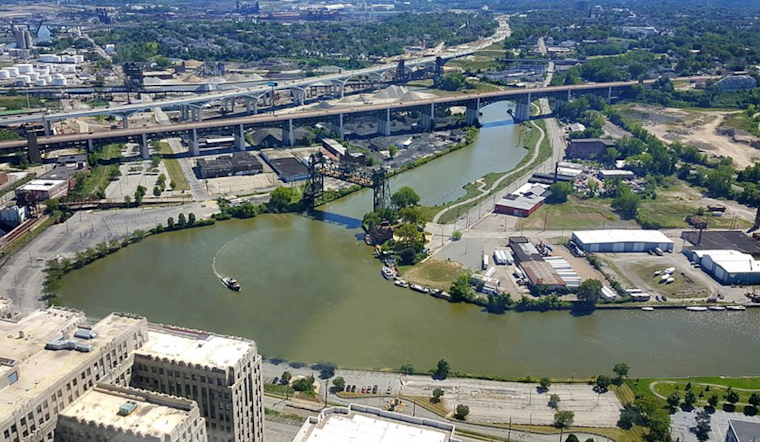
In revisiting the annals of American environmental awareness, we look to Ohio's Cuyahoga River, the waterway that illuminated the need for environmental reform. As captured by the BBC, the Cuyahoga River's history of catching fire due to rampant pollution is a stark reminder of the industrial era's environmental negligence. David Stradling, an expert referenced in the article, eloquently describes the river as "completely dead for decades," with no life and immediate health warnings for those who happened to fall in.
Long before Silicon Valley's sustainability startups and the current green movements, there burned a river. The repeated inflammations of Cuyahoga, including a notable incident before the gaze of Time magazine, were glaring indicators of just how poorly industry had treated nature. Falling into the river, residents were cautioned they had to be rushed to the hospital, and the absence of biotic communities spoke to the extent of desecration, according to Stradling's co-authored work, "Where the River Burned."
That image of a burning river fanned the flames of change and, as the BBC article recounts, played an instrumental role in the landmark expansion of the Clean Water Act of 1972. Time magazine's piece in the summer of 1969, which utilized photographs from an earlier fire, helped shed light on the nationwide humbling state of water pollution. As Stradling cited in the interview with the BBC, the Time article was a critical pivot point in galvanizing public and political will for environmental legislation.
Indeed, witnessing fires dance across the surface of a river was the kind of uncompromising evidence that could ignite legislators to take action. And it did, ushering in a new era where clean-up and preventatives replaced neglect and the blind eye often turned by industrial behemoths. Stradling's narrative, as detailed in the BBC article, gives testimony to the power of media in influencing environmental policy and perhaps also in giving the river back its right to life.
To gain deeper insights into the transformations sparked by the Cuyahoga River's infernos, one can visit the University of Cincinnati's news article, which showcases Stradling's expertise. This historical reflection is more than a cautionary tale—it's a demonstration of how environmental neglect, once allowed to smolder, can become the catalyst for the conservation efforts that now define our modern ethos toward nature.



