

























































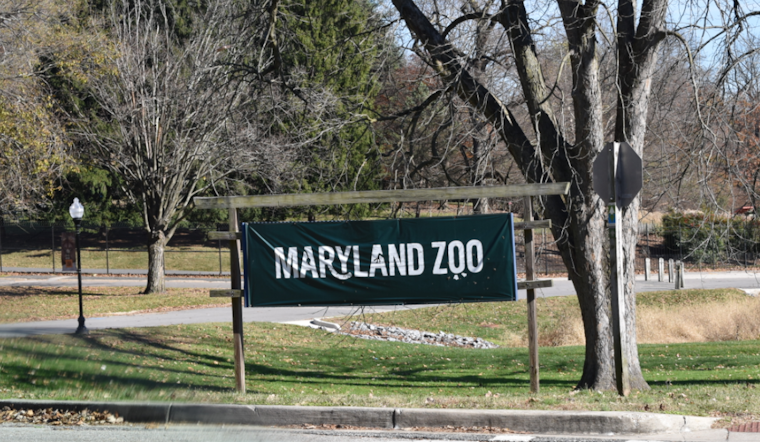
The Maryland Zoo has embarked on an ambitious project to introduce a new habitat for red pandas, marking a significant renovation effort for its oldest exhibit area. The groundbreaking event for the habitat took place today with dignitaries like Maryland Lieutenant Governor Aruna Miller in attendance, according to FOX Baltimore. The new space, designed to support a breeding pair of the animals, is a key part of the zoo's Master Plan to rejuvenate the Main Valley section, which has not seen a new animal area since 2009 and was closed to the public for 17 years.
Zoo President and CEO Kirby Fowler underscored the significance of the initiative, noting, "Maryland Zoo celebrates its 150th anniversary next year, and you don't get to be as venerable as we are without constant reinvention." This sentiment was echoed in a statement Fowler gave to CBS News Baltimore, detailing an array of improvements that started with a new parking lot and will continue with additional upgrades to the zoo's facilities. The habitats under development prioritize animal welfare and are expected to be visitor-ready in 2026, coinciding with the zoo's milestone anniversary.
As it stands, the red panda habitat will nestle between the zoo's round café and the round stand, occupying a spot where a snowy owl previously resided. The design aligns with efforts to highlight conservation, particularly the preservation and reconnection of forest highlands spanning Nepal and India. The zoo, which has been operational since 1876, has historically been home to a diverse array of exotic wildlife, and this latest project aims to extend that tradition.
Besides the red panda’s new digs, there are further plans to enhance the guest experience with a potential gibbon habitat, a flyway for eagles and snowy owls, and renovations to existing rental and guest amenities. With the Main Valley section being the most historic on the property, the zoo's 10-year plan signifies a commitment to modernization while respecting its storied past. Maryland Zoo has also been attracting attention for new births, including a baby blue duiker, a baby lemur, and unexpectedly, a giraffe calf, as reported by CBS News Baltimore.
This project, with an expected completion time of 12 months, is a cornerstone of the zoo's ongoing ten-year Master Plan, which aims not only to upgrade infrastructure but also to reinforce the institution's commitment to animal welfare and environmental stewardship.





