

























































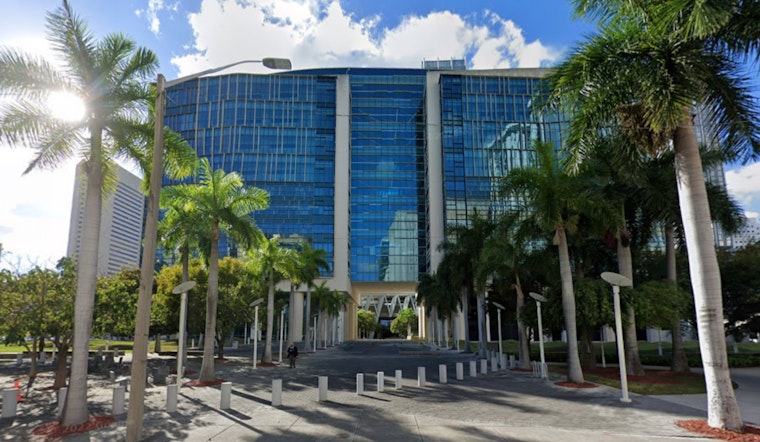
Amid the heated legal battle over Florida's immigration policies, a swarm of protesters made their presence known outside the Miami federal courthouse, as Florida Attorney General James Uthmeier prepared to potentially face fines or even jail time for contempt of court. The gathering, reported by Local 10 News, was in response to Uthmeier's alleged violation of U.S. District Judge Kathleen Williams's temporary restraining order, which called a halt on the enforcement of a controversial immigration law that aimed to hand down criminal penalties to undocumented migrants.
The charge that Uthmeier faces is not only about him personally but also symbolically signifies the ongoing clash between federal judicial authority and a state's decision to aggressively pursue its own immigration protocol. Plaintiffs in the case, including a mother of four U.S. citizen children, argue the state law is unconstitutional. They maintain that the state is not in position to enforce immigration laws that squarely fall under federal jurisdiction. In a dramatic courtroom moment previously, Judge Williams was quoted by Local 10 News, expressing her astonishment at the state AG's defiance of her order, rhetorically asking, "Do I need to put a ribbon on it?"
Uthmeier, who declined to appear at a series of prior hearings, stands on a defiant ground, insisting through court filings that he has not violated the judge's order. According to The Miami Herald, Uthmeier asserts his legal stance is not prohibited by the judge's orders and points out that his communication with state law enforcement agencies simply reflected his legal interpretation of those orders. The potential consequences of the contempt charge not only hover over Uthmeier but also cast a shadow on the political tug-of-war between state and federal powers.
The intensity of this tussle was illuminated by spokesperson Jeremy Redfern's characterization of Judge Williams's position as "lawfare." In an interview with FOX 35 Orlando, Uthmeier called the situation "Law 101," accusing Williams of overstepping her jurisdiction. As the contest over the immigration law plays out, the court is keenly watching to see if Uthmeier directly tasked law enforcement agencies to knowingly enforce a statute that the federal judge had already restrained. This confrontation, as The Miami Herald detailed, reaches deeper into issues of states' rights versus federal oversight, especially in the era of a presidential administration that has made immigration enforcement a cornerstone of its policy.





