

























































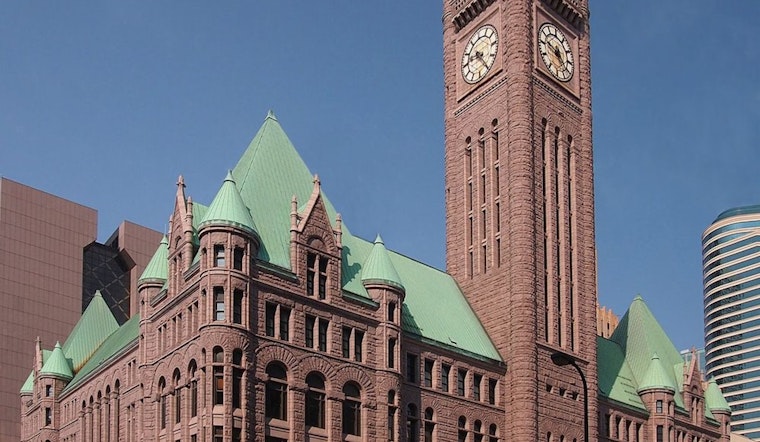
City officials in Ward 1 have taken strides to enhance civil rights protections, launching updates that introduce new protected classes, including those impacted by the justice system and those facing discrimination based on their housing status, height, and weight. According to the City of Minneapolis bulletin, the measures were overwhelmingly passed at a recent City Council meeting. The council also tackled accommodation for religious observance and the expansion of their jurisdiction to investigate pay inequity, along with adding a precise definition of race.
These changes come at a crucial time, as Council President Elliott Payne highlighted the urgency of local action "at a time when people's rights and protections are being stripped away at the federal level." Another significant addition includes protections akin to the Pregnant Workers Fairness Act, and the ability to look into intersectional discrimination, when individuals are discriminated against on the basis of multiple protected characteristics. The updated civil rights ordinance also expands the definition of familial status, recognizing those living with and caring for adults unable to look after themselves.
City efforts towards public safety and community well-being have further materialized in the form of dance education for students, biochar facility ground-breaking for environmental sustainability, and initiatives for making school routes safer. The citywide student dance program is set to permeate educational institutions, and the biochar facility aims to cut through the city's carbon footprint effectively. Recognizing the city's Vision Zero for Youth Leadership Award, officials have highlighted improved traffic safety measures and universal bicycle safety education, which have contributed to the city's acclaim.
With urban development in action, Minneapolis residents are invited to weigh in on police policies and a housing plan scheduled for public hearings on May 13 and May 20, respectively. Notably, the city is soliciting input on three key police policies, potentially shaping the future of public safety in the city. The Minneapolis Consolidated Plan, open for public comments until May 23, outlines strategies for housing and community development, aimed at residents with low and moderate incomes. These pressing issues underscore City efforts to foster inclusivity and responsive governance, with the aim of sculpting a city that serves all its citizens.
On a lighter note, the city's Neighborhood Day promises a day of civic engagement and community, with organizations citywide hosting various events. Moreover, the arrival of 2025 brings back shared e-bikes and scooters, supplementing the city's transportation network. And as technological progression advances, Minneapolis also introduces its emergency incidents dashboard, informing residents about real-time 911 emergency incidents. Yet, amidst this progress, a warning has been issued about a scam falsifying the MPLS Parking app, attempting to siphon data and money from unsuspecting app searchers. Vigilance is urged, and official channels of downloading the app are recommended to avoid phishing scams.



