

























































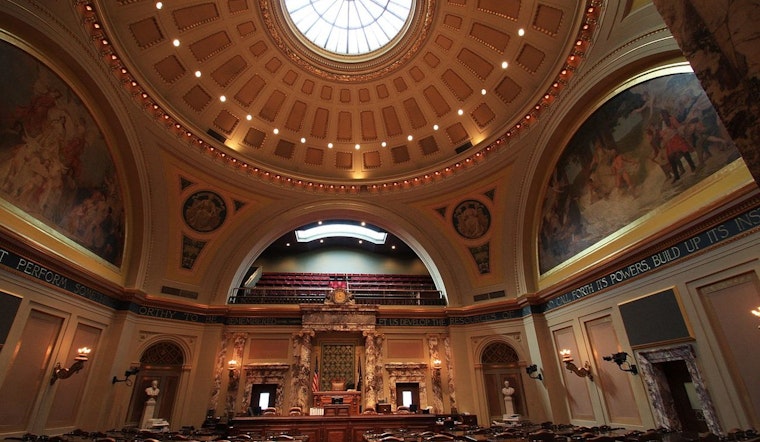
Minnesota's stride towards a greener future secured another solid footprint with the Senate's recent passage of a significant energy policy and budget package. Championed by Senator Nick Frentz, the bipartisan measure aims to cement the state's shift to 100% carbon-free electricity by the year 2040. On the floor, Frentz, the chair of the Senate Energy, Utilities, Environment, and Climate Committee, emphasized the need for sustained progress, articulating that "Minnesota has made historic progress toward 100% clean energy by 2040, and this budget ensures we don’t lose momentum," according to a report by the Senate DFL website.
Amidst bipartisan support, the legislation outlines a plan of action that will see the sun setting on the Community Solar Garden program by 2030, making room for alternative solar strategies that promise more cost-efficiency. Addressing the changing landscape, the bill makes certain that ratepayers will have their energy future secured, offering up a modernized path that phases out older initiatives that no longer bear fruit in the market's orchard.
The nuts and bolts of the legislation are a selection of financial injections aimed at various green projects across Minnesota. $20 million is being allocated from the Renewable Development Account (RDA) to back diverse ventures, including a green hydrogen project in St. Cloud to convert wastewater to fuel, and a geothermal installation at Como Zoo, buttressing St. Paul's carbon neutrality drive. Investments also target a Shakopee-based anaerobic digester, transforming food waste into renewable energy, as per the Senate DFL report.
Standing behind these infrastructure boosts are the Department of Commerce’s Energy Resources Division and the Public Utilities Commission, both set to receive additional operational support under the new budget. This fortification mirrors Minnesota's determination to expand energy assistance and ensures that the state's energy regulators maintain a sharp focus on their oversight responsibilities. "We’re investing in reliability, affordability, and smart infrastructure so Minnesotans can count on clean energy for decades to come while phasing out outdated programs that no longer deliver for ratepayers," Senator Frentz told the Senate DFL, outlining the comprehensive nature of the bill's objectives.
Passing with a 36 to 31 vote, the bill's next stop is the conference committee. Here, differences will be ironed out and the details finessed. Yet, it stands as a testament to Minnesota's commitment to clean energy and a transitional blueprint for other states eyeing a future where electricity is not only clean and reliable but also affordable for their citizens.





