

























































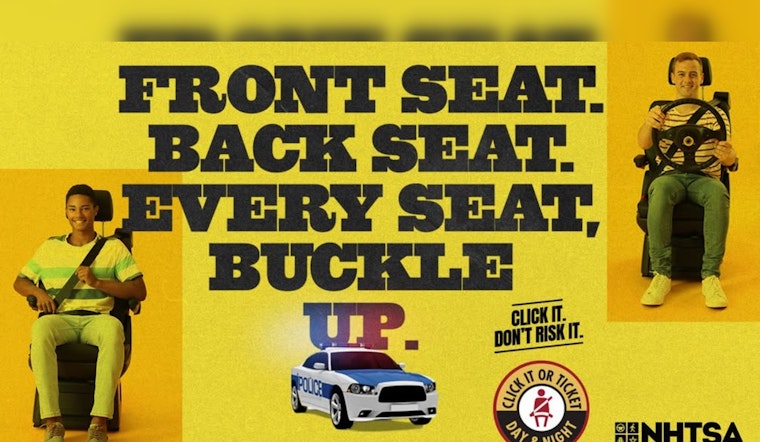
The stark reality of road safety comes down to a simple action that has proven its worth time and time again: buckling up. This enduring advice, as verified by the Multnomah County Sheriff's Office, is more than just a precaution; it is a lifesaving measure. As announced via social media, "Seat belts save lives. Period. No matter what type of vehicle you drive, one of the safest choices drivers and passengers can make is to buckle up."
In 2023, the consequences of neglecting this simple click were dire—10,484 passenger vehicle occupants who met their end in crashes were found to be not wearing seat belts. The toll was particularly heavy on young adults, aged 18 to 34, with 60% of the fatalities in this bracket occurring while they were unbuckled. This percentage towers amongst the highest for all age groups, serving as a grim reminder of the importance of this safety practice.
Enforcement is set to sharpen its focus with the Sheriff's deputies undertaking special operations by the month's end, targeting vehicles that fail to comply with this basic safety requirement. The law enforcement's challenge is not just the monitoring but also the education of the motoring public. The proper usage of seat belts is critical; as the Multnomah County Sheriff's Office emphasizes, "Always place the shoulder belt across the middle of your chest and away from your neck, and place the lap belt across your hips, not your stomach." Notably, shouldering the belt behind your back or tucking it under one's arm is a risky malpractice that forfeits the device's protective intent.
To reinforce this message, the Sheriff's office punctuated their announcement with a stark hashtag: #ClickItOrTicket. The implications are clear—either snap the seat belt into place or prepare to face the consequences. While no one relishes the act of penalization, the intent here transcends fine collection; it's about nudging, if not thrusting, the community towards a culture of safety, a community where the roads are not specters of loss but pavements that hold and protect lives in transit.




