

























































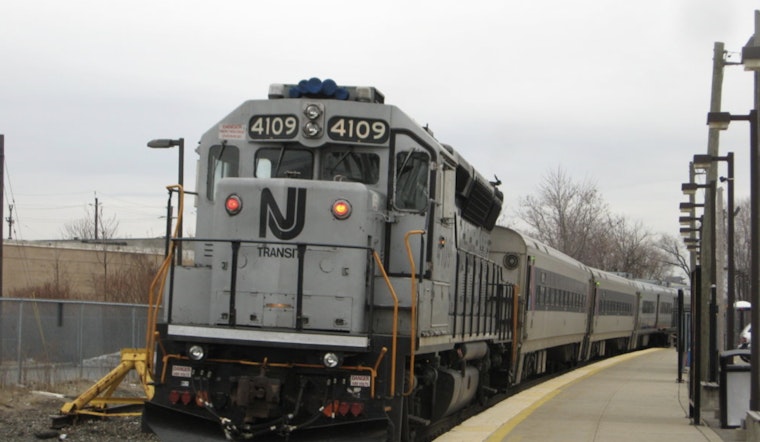
Thousands of New Jersey commuters were impacted as an NJ Transit strike led riders to seek alternative transportation options, including Amtrak, which charged $70 for a 17-minute trip. At Newark Penn Station on Friday, preschool teacher Monica Williams told Gothamist that she and her sister, unprepared for the additional cost, would be unable to reach work. The strike began after contract negotiations with NJ Transit engineers failed, affecting more than 100,000 weekday train passengers.
According to an analysis by the Partnership for New York City, reported by The New York Times, the NJ Transit strike may result in an estimated $6 million per hour in lost productivity for employers, due to delays affecting workers in sectors such as finance and information technology. The strike also led private bus company Boxcar to expand its commuter seating capacity and increase advertising ahead of the anticipated disruption. With no confirmed end to the strike, businesses and employees are preparing for continued operational impacts, and some commuters are opting for remote work or higher-cost transportation alternatives.
Those impacted by the situation, including Jay Santana, a Manhattan doorman who was left stranded after his shift, told Gothamist, "Probably gotta take the Uber, I got no choice." The situation impacted both commuters and local businesses. Daisy McKeon, owner of Trackside Jo Cafe at Hoboken Terminal, observed a decrease in business, leading her to send employees home early due to the quiet station.
As the strike disrupted daily routines, the economic impact was felt broadly. Executive chef Chris Smith, who typically commutes via NJ Transit, paid $79 for an Amtrak trip, compared to his usual $20 fare, according to The New York Times. The outcome of the negotiations will determine the future of many workers' commutes and the local economy, with the result still pending.



