

























































Ohio residents may soon find relief in the high costs often associated with breast cancer screenings. Thanks to a recent bill put forward in the Ohio legislature by Rep. Jean Schmidt, the financial burden of supplementary breast cancer screenings could be significantly reduced, eliminating the need for individuals to pay out-of-pocket expenses such as copays and deductibles. This move follows the successful passage of House Bill 371 in 2022, which mandated insurance companies to cover additional screenings for those at high risk or with dense breast tissue.
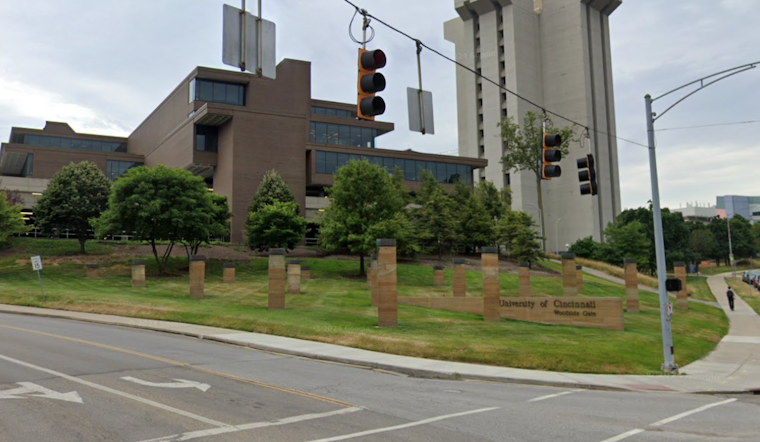
The introduction of the Breast Examination and Screening Transformation (BEST) Act takes House Bill 371 a step further by addressing the financial barriers that can deter women from seeking timely and potentially lifesaving screenings, at a session of the legislature where proponents like Ann Brown from the University of Cincinnati Cancer Center, concentrated their efforts on educating lawmakers about the importance of accessible screenings for early cancer detection, especially in cases of dense breast tissues that can obscure results. "No one should have to choose between paying their mortgage or finding out if they have cancer," Brown remarked in a Local12 and Cincinnati Enquirer report.
Support for the bill is personal for many, including Michele Young, a breast cancer survivor and advocate, who attributed her late-stage detection in 2018 to a lack of early screening, underlining the life-and-death stakes often implicit in these discussions about healthcare policy, as when she emphasized "what this bill is going to do is it's going to allow every woman in Ohio, no matter who they are, to have a chance to have the life-saving screening and not worry about the cost, and it will save us money," as she told the University of Cincinnati's news outlet.
Ohio's latest legislative push reflects a growing awareness of the imperative to make crucial cancer screenings more readily available irrespective of income level or insurance plans, a sentiment mirrored by health care professionals and survivors alike who understand from lived experience, the critical difference early detection can make in treatment outcomes and the sheer importance of preemptive strategies in the struggle against cancer.



