

























































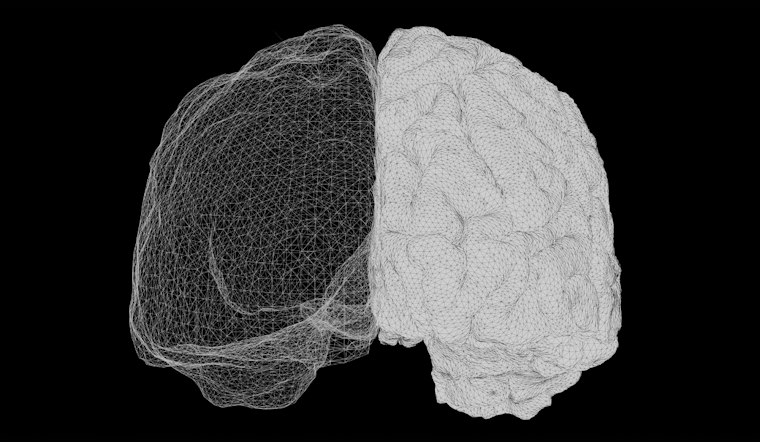
A recent study spearheaded by Adam Levin, involving therapeutic psychedelics, psychiatry, and a review of neuroimaging and studies, proposes a fascinating theory. Levin argues, in research published in the Journal of Psychopharmacology, that psychedelics might prompt the right hemisphere of the brain to edge out its left counterpart temporarily.
In a normal state, our brains tend to let the left hemisphere lead, particularly when we're focused on tasks that require meticulous attention or problem-solving, like hunting for food, historically speaking. Levin's work underscores a shift that begins to unfold subtly under the influence of psychedelics. He notes, "In the psychedelic state, there’s a unique combination of the hemispheres coming together in a way that doesn’t usually happen in normal states of consciousness," as reported by Ohio State University News.
What Levin, a postdoctoral scholar and psychiatrist at The Ohio State University College of Social Work's Center for Psychedelic Drug Research and Education, is suggesting could turn our understanding of psychedelic drugs and brain interactions upside down. His model, named HEALS – Hemispheric Annealing and Lateralization Under Psychedelics, posits that psychedelics might well reverse the usual power dynamic between our two brain hemispheres, potentially lifting the right from its usual subdued role.
If further substantiated, this theory could open new doors in understanding how these substances facilitate different ways of perceiving and interacting with the world around us. "It’s almost a new encounter between the left and the right hemispheres’ way of thinking and perceiving the world," Levin told Ohio State University News.




