

























































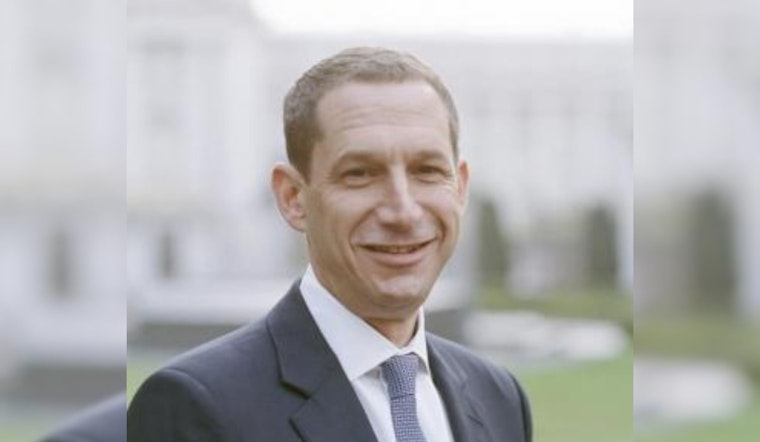
San Francisco's battle against its intertwining crises of homelessness, mental health, and addiction took another turn this week. Mayor Daniel Lurie put pen to paper on the "Recovery First" ordinance, a bill by Supervisor Matt Dorsey to pivot the city's drug policy more firmly towards recovery-centric goals. As reported by the City and County of San Francisco, this legislation defines long-term remission through recovery as the city's primary strategy for drug abuse issues.
Financial commitments have backed the policy shift, too, with Mayor Lurie spearheading the Breaking the Cycle fund, flush with $37.5 million from private donors to support corresponding programs and services. The new ordinance complements many initiatives under the mayor’s office, including the controversial Fentanyl State of Emergency Ordinance and the infrastructure expansion for treatment and recovery resources. As per the City and County of San Francisco, Lurie emphasized that the city is diverting paths, stating, "Today we marked a major step forward in the belief that recovery is possible." Dorsey, with a personal connection to the cause through his own recovery experience, thanked the mayor for the support and mirrored the sentiment for a refocused drug policy imperative for San Francisco.
Diverse voices from the public health and medical communities have chimed in with their endorsements. Among them, Keith Humphreys, Ph.D., endorses the ordinance for providing a "compassionate optimism" about recovery potential for addiction patients. On the other hand, the San Francisco Marin Medical Society highlighted the severe lack of facilities and staff as the primary obstacle for behavioral health services, something Jason Nau, M.D., President of the society, remarked on in the City and County of San Francisco's release. Meanwhile, critics of the previous harm reduction approach, like Steve Adami from the Way Out, see Dorsey's ordinance as a long-overdue shift that puts recovery at the center of addiction response.





