

























































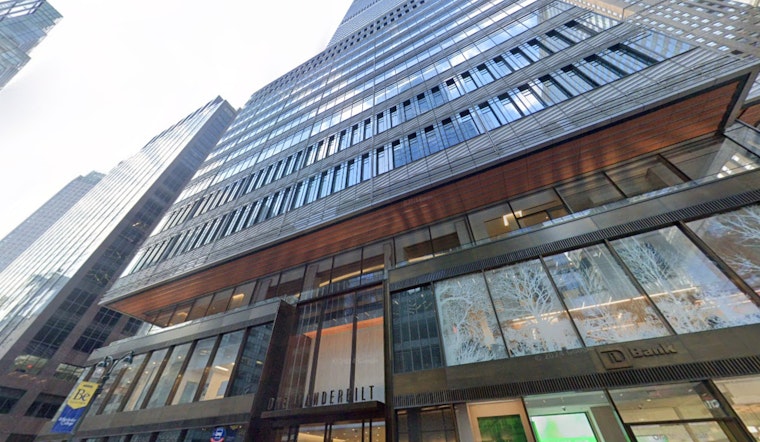
In a move that demonstrates SL Green Realty's high stakes in the New York real estate game, the company has chosen to extend CEO Marc Holliday's employment contract until mid-2028, potentially setting the stage for its foray into the casino business. According to a CoStar report, the extended contract includes an incentive for Holliday tied to the realization of a planned Times Square casino resort, promising a substantial one-time cash bonus should the project meet specific performance metrics.
While SL Green's strategy might be seen as a bet on its CEO's ability to deliver, not everyone is on board with Holliday's earnings. Institutional Shareholders Services (ISS), a prominent advisory firm, has repeatedly taken issue with Holliday's compensation, having been vocal about it for over a decade. Just this week, ISS described Holliday's near $21 million pay package for 2024 as showing "poor responsiveness" to longstanding investor worries over remuneration, as reported by Crain's New York. ISS also highlighted multiple "problematic" contract provisions, from excessive severance to guaranteed equity awards, criticizing the contract as inconsistent with broader market practice and pointing to an "unmitigated pay-for-performance misalignment."
The dissatisfaction from ISS has led to a recommendation that investors vote against two directors on SL Green's board at the upcoming June 3 annual meeting: Lead independent director John Alschuler and compensation committee chair Lauren Dillard. In defense, Alschuler, and Dillard penned a letter to shareholders, contesting ISS's stance and underscoring the company's robust 58% stock return last year and its distinction as one of only three U.S. real estate investment trusts with a positive five-year yield.
Adding a layer of context, ISS's recommendations carry weight, as some asset management firms abide by its guidance when it comes to compensation policies and other boardroom affairs. Despite this influence, the pushback against Holliday's compensation has not always swayed the majority of shareholders. According to Crain's New York, in 2020 and 2016, a majority voted against his pay, yet last year, only 33% opposed – an elevated percentage nonetheless compared to the sub-5% opposition typically seen in such non-binding votes.
Holliday's future with SL Green seems anchored by not only his extended term but also the potential payoff from the proposed casino. SL Green is vying for one of the downstate casino licenses New York state is expected to issue, in partnership with Caesars Entertainment. They are not alone in the race, as multiple developers have thrown their hats into the ring for the lucrative opportunity, including giants like Related Cos. and Soloviev Group. Should Holliday succeed in converting the Times Square site into a profitable resort and casino, his contract stipulates a $10 million bonus, as confirmed by the SEC filing, raising the ante for his tenure at SL Green's helm.





