

























































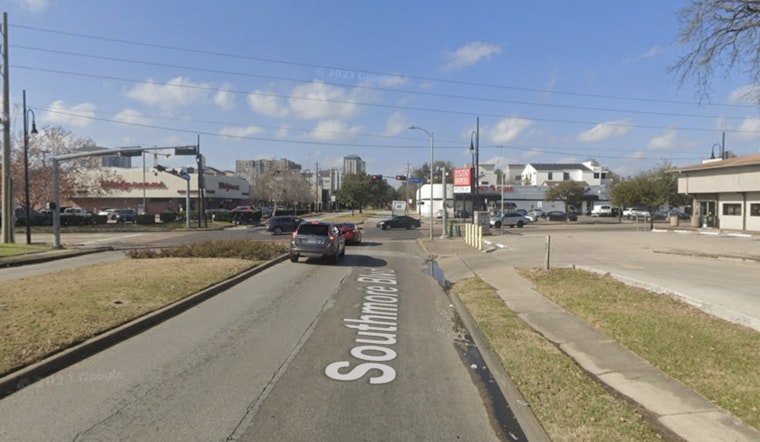
A suspect involved in a recent robbery and subsequent police shooting in Houston has died. According to an update from the Houston Police Department, the incident, which escalated to the fatal shooting of 33-year-old Earnest Duke Harrison by an officer, occurred on the afternoon last Friday at 2200 Southmore Boulevard. HPD Officer L. Jumonji, the shooter in question, was reportedly in fear for her safety and that of others when confronted by Harrison wielding a machete. Officer Jumonji, who joined the force in December 2021, was unharmed during the confrontation.
The confrontation began after officers responded to a robbery report at a shop located on the 5100 block of Almeda Road, where Harrison allegedly stole items and threatened store employees with a large knife when they attempted to halt him, which subsequently prompted the police response, the Houston Police said the man continued to advance toward Officer Jumonji despite her giving verbal commands to stop, fearing for her safety, she fired her weapon, striking the suspect. Paramedics rushed the critically injured Harrison to a local hospital, but despite medical efforts, he was pronounced dead on Tuesday.
The Houston Police Department's announcement also outlined that their Special Investigations Unit, along with the Internal Affairs Division and the Harris County District Attorney’s Office, is conducting the investigation, which is routine in officer-involved shootings within Houston city limits.
As investigations into the incident continue, the death of Harrison adds to the list of fatal police encounters, prompting ongoing discussions about law enforcement tactics and interactions with suspects. Officer Jumonji’s actions, like all officer-involved shootings, will be reviewed for adherence to department policies and legal standards to determine the justification for the use of deadly force. This process involves numerous questions, often complex, related to law, community safety, and the decisions made in the line of duty.





