

























































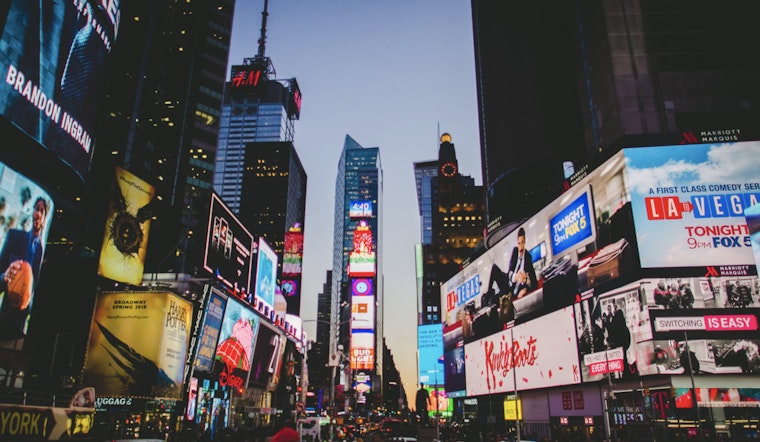
Times Square has long been a beacon for New York City's vibrancy and tourism appeal, but a recent uptick in complaints and incidents of violence has sparked debates over the area's safety. As reported by Gothamist, sanitation-related complaints in the 10036 ZIP code have surged over 200% since pre-pandemic times, with the NYPD also reporting a 73% rise in non-emergency matters, highlighting a broader sentiment of unrest. Certain Times Square employees, such as Asiff Hossai, feel the neighborhood has become less safe, with Hossai recounting an experience where a man brazenly vandalized merchandise at his workplace, creating an undercurrent of worry for both workers and residents.
Business owners and veterans of Times Square suggest alternative measures to quell these emerging concerns. In an opinion piece for CDC Gaming reports, the prospect of a Times Square casino was proposed as a potential solution to not only enhance public safety but also revive the area's allure. The author, a Vietnam War veteran and 20-year street vendor, argued that despite improvements, Times Square still needs serious efforts to become adequately safe. The vendor believes that integrating a casino could be an avenue for revitalization and enhanced security in the area.
However, perceptions of the neighborhood's decline aren't unanimously shared. The Times Square Alliance, along with the Broadway League, have cited statistics pointing to a decline in violent crimes, such as murder and assault, with 2024 figures nearly half of what was reported in 2015. Tom Harris, president of the Times Square Alliance, understands the community's concerns but emphasized the long-term decrease in homelessness and crime. Criminologists, on the other hand, point to "disorder" as the phenomenon driving the sense of fear, not necessarily an increase in violent crime.
Contributing to the sense of "disorder" are policy shifts, including the decriminalization of certain behaviors that residents perceive as contributing to the overall sense of insecurity. Professor Peter Moskos of John Jay College spoke of little enforcement for low-level offenses and the visible consequence of public drug use. Moskos told Gothamist that it's necessary to seriously discuss issues like public drug use, which has become more visible in Times Square, to authentically address community concerns.
Despite the sense of disorder, city officials are increasing efforts to address quality of life issues. The formation of Manhattan's Midtown Community Improvement Coalition and the creation of the NYPD's Quality of Life Division signal a coordinated approach to managing street vending, panhandling, and other daily concerns. Andrew Karmen, a criminologist at John Jay College, noted that lasting solutions won't come unless the root causes are addressed—a sentiment that reflects the city's efforts to invest in social services aimed at improving the well-being of New Yorkers, according to Gothamist.





