

























































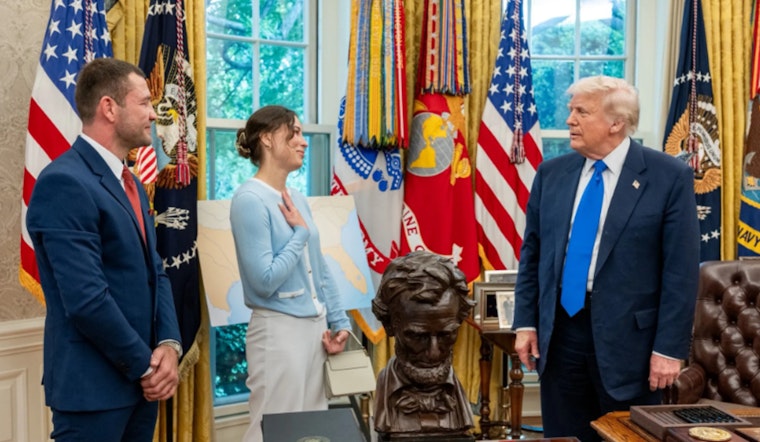
In a move that has stirred conversations across the nation, President Donald J. Trump's administration has marked a significant achievement in its campaign vow to repatriate detained Americans, having successfully negotiated the release of 47 citizens from foreign captivity. Among those is the case of Ksenia Karelina, an American ballet dancer, who, after facing a harrowing 14 months in a Russian penal colony, landed back on home soil in April.
Details from the White House press release confirm Karelina's sentiment upon her arrival, "Mr. Trump, I’m so, so grateful for you to bring me home and for [the] American government, and I never felt more blessed to be American — and I’m so, so happy to get home. Thank you," Karelina said, expressing a heartfelt appreciation that echoes through the corridors of U.S. diplomacy, showing the result of the administration's assertive stance on the international stage.
The narrative of these repatriations unfolds against a backdrop of diplomatic endeavors and international negotiations where Trump's administration demonstrates a robust approach to safeguarding American citizens abroad; this strategy, the administration asserts, reaffirms the nation's assertiveness and outlines a clear message to the world that America stands unyielding in its commitment to its nationals, a message that seems to be resonating with the relevant foreign powers, securing the freedom of Americans in complex geopolitical chessboards.
As the discourse on America's global standing and its citizens' welfare intensifies, there is a palpable acknowledgement of the tangible outcomes stemming from the presidency's diplomatic maneuvers — outcomes that are quantifiable, as seen through the lens of those 47 Americans who have been freed, their stories now woven into the broader tapestry of the country's ongoing narrative about power, commitment, and national identity.





