

























































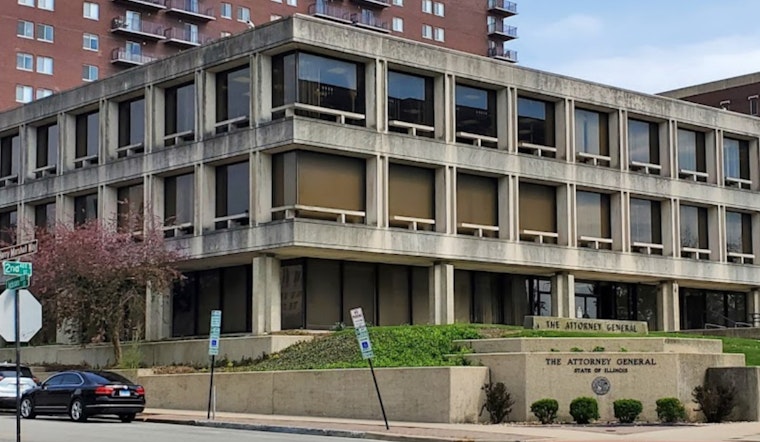
In a sizable wave of objection, Attorney General Kwame Raoul, backed by 21 states, has bolstered California's stand against President Trump's deployment of its National Guard. An amicus brief, as reported by the Illinois Attorney General’s office, was submitted to support California's motion challenging the federalization order which they claim undermines the longstanding principle of military deference to civilian governance.
The brief argues that local law enforcement should remain the premier guardian of public safety, specifically in times when the rights to free speech and protest are exercised. As driving alongside a detail of the state's legal arguments, Raoul voiced concern, stating, "President Trump's ability to federalize California’s National Guard is only authorized in the event of rebellion, foreign invasion, or if regular forces are inadequate to respond to a crisis. His actions are unprecedented, unlawful and lack the governor’s consent." This move comes after President Trump issued a memo, not confined to Los Angeles or any specific region, but rather it broadly asserts presidential power to call up the National Guard in any state for up to 60 days.
Emphasizing the importance of the National Guard's daily contributions, the states united in the brief insist on the legality of Trump's orders as they might pull members away from their essential services. As detailed by the Illinois Attorney General's office, the brief indicates how states are left at a disadvantage, unable to replace the National Guard personnel who provide an array of services, ranging from disaster response to cybersecurity.
Raoul and his colleagues stress that the unauthorized use of military force by the president has not only worsened safety conditions but also threatens First Amendment activities. Earlier in the week, Attorney General Raoul had made public his support for California Attorney General Rob Bonta's legal action against President Trump and related defense departments. The goal is clear, as Raoul put forth, "All states have an interest in standing with California against the Trump administration’s march toward authoritarianism." The coalition, featuring attorneys general from states including Arizona and New York to Wisconsin and Kansas Governor Laura Kelly, reflects a cross-section of the country unified in rebuke of the military deployment.
While the legal confrontation proceeds, the implications are broad, pivoting on the balance of state versus federal say in military deployments. The states, as joined in the brief, are not just demonstrating a stance for California but are signaling a collective defense of state autonomy and civil freedoms. The outcome of this dispute will undoubtedly resonate beyond California's borders and serve as a potential precedent for civilian-military relations in the United States.





