

























































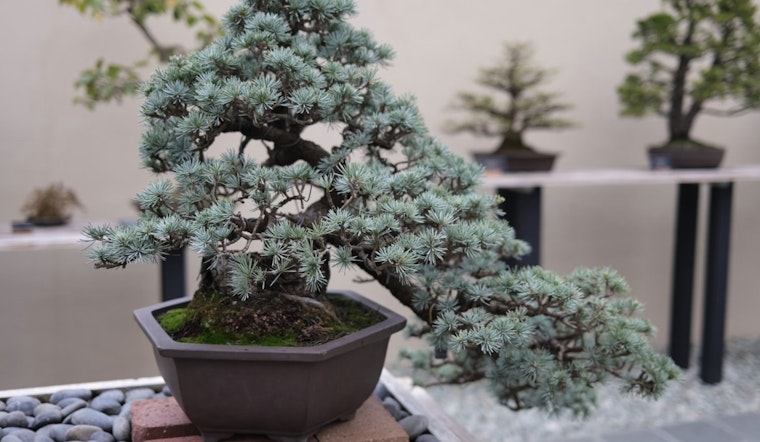
The Brooklyn Botanic Garden is marking 100 years since the start of its renowned bonsai collection with a special exhibition that favors substance and cultural reflection over fanfare. Titled "Bonsai 100," the exhibition is set to open tomorrow, as reported by Gothamist.
In celebration, the Garden is not only displaying its mature bonsai specimens but is also bringing out its more delicate saplings. Typically kept out of view in the nursery, some of the smaller trees will now be on display, positioned just beyond reach for their protection. Adrian Benepe, president of the Brooklyn Botanic Garden, summed up the perspective, telling Gothamist, "An important thing to know about bonsai trees is, they’re just trees."
Three of the trees from Coe’s original 1925 donation—a Japanese maple, a daimyo oak, and a Japanese red pine—remain part of the collection today, offering a sense of living history as they have endured through decades of change. Adding a personal dimension to the exhibition, the event also features the story of Frank Okamura, the Garden’s first dedicated bonsai curator, presented in a manga-style display titled "The Mountain, The Tree, and the Man," as per the account given by Brooklyn Paper.
To guard against potential theft or environmental damage, the bonsai caretakers have positioned the trees in Magnolia Plaza, where they remain securely protected yet visible to the public. David Castro, the bonsai collection’s official gardener, told Gothamist, "it’s always been harder to protect those kinds of trees."
As part of the commemoration, Brooklyn Paper highlights a culturally immersive experience featuring Japanese-inspired cuisine and sake dinners served by Yellow Magnolia Café and Canteen, celebrating both horticultural skill and the intricate art of bonsai. Honoring its history, the Garden's Terrain shop is offering a range of items—from bonsai tools to tote bags and card sets—adorned with original illustrations by Frank Okamura.
Open through October 19, the exhibition is part of a broader program focused on detailed horticultural practices and the presentation of living plant forms. The event includes elements designed to engage the public in the appreciation of bonsai and its historical context. Admission begins at approximately $25 for adults, with free entry for children under 12.





