

























































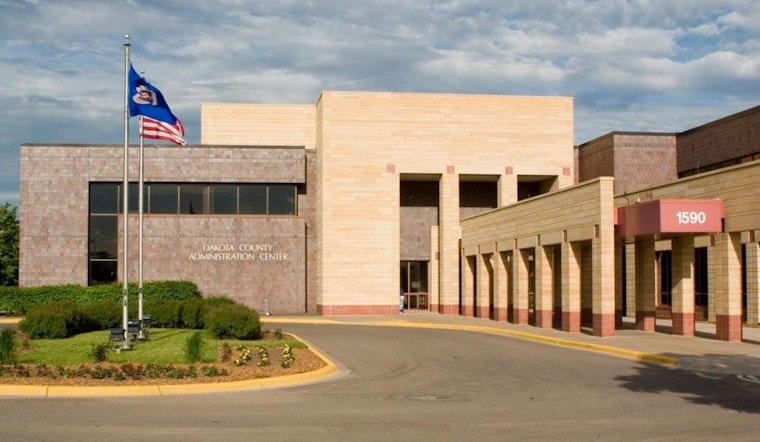
In a move that has local officials up in arms, a recent state budget proposal is poised to significantly reallocate sales tax revenue, stripping a substantial amount from Dakota County and funneling it into the coffers of the Metropolitan Council. This reallocation, outlined in the surprise proposal, would siphon away an estimated $93 million from metro counties, funds initially earmarked for various local transportation projects. "Taxpayers should be furious," Dakota County Board Chair Mike Slavik lamented in a statement obtained by the county's news release, stressing the backroom nature of the deal that was never subject to public debate or discussion.
The shock comes from not only the amount, which sees Dakota County alone losing roughly $14 million over the next two years but from the peculiar bypassing of standard legislative procedures; the proposal was never publicly discussed during the legislative session and did not feature within the primary transportation budget bills of either house, the deals inked by the legislative Transportation Working Group are part of overarching state budget negotiations that are currently underway at the Capitol. Dakota County had been depending on these funds for numerous ventures, including the resurfacing of highways in various townships and enhancements in pedestrian and cycling infrastructure, all of which are now jeopardized by the potential budget redirection.
Detailed in the controversial proposal is the redirection of half the sales tax anticipated by the counties over a two-year period, but projections indicate the shift could total $192 million over four years, a windfall for the Metropolitan Council, which, perplexingly, had not publicly requested an increase for its bus rapid transit (BRT) projects, the specifics of which remain nebulous, besides, much of the Met Council's BRT plans don't necessarily support the suburb counties akin to Dakota.
Advocates for local governance, like Dakota County's commissioners, are vocally pushing back against the state's proposition, calling for lawmakers to overturn this budgetary curveball, “Throughout the process, we've simply asked to be part of budget discussions that affect counties," Slavik told the county's news release, implying that transparency and inclusion in fiscal dialogues have all but been absent in these recent developments that cast a long shadow on taxpayer interests and critical infrastructure services.





