

























































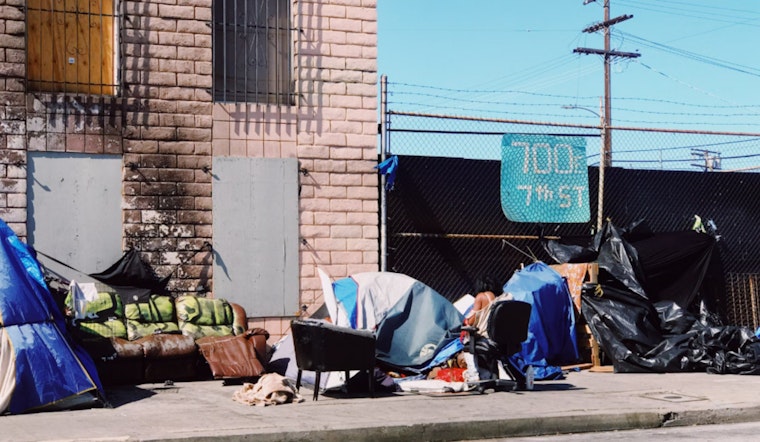
Atlanta, a city that has seen its share of growth and development, now encounters a persistent challenge with homelessness, specifically a marked 14% increase in family homelessness, a report from the nonprofit Partners for Home indicates.
Though there's a glimmer of optimism with an overall 1% rise in homelessness—which suggests a possible stabilizing trend—the numbers released yesterday underline the persistent adversities faced by families in the city; the number of veterans and youths experiencing homelessness both fell by 6% and 3% respectively, yet the struggle for families continues to intensify, with such numbers jumping from 115 last year to 131 this year despite the group's championing of initiatives like permanent supportive housing that have led to a 9% decrease in chronic homelessness, according to the data acquired from the annual Point-in-Time Count conducted on January 27, and detailed by FOX5 Atlanta.
The report also finds a disproportionate representation of Black individuals within the homeless population, with 80% of those surveyed identifying as such, which, while slightly decreased from the previous year's 86%, remains significantly higher than the general demographics of Atlanta's population, as reported by FOX5 Atlanta. Furthermore, the largest age group experiencing homelessness was those aged 55 to 64, highlighting seniors as a rapidly growing segment facing unsheltered living conditions.
As noted by Cathryn Vassell, CEO of Partners for Home, in an interview with the Atlanta Journal-Constitution, “Our hope is we can maximize some of this stability, and I think some of that is driven by the economics.” Although there is a noteworthy decrease in some sectors of homelessness, the city continues to grapple with economic factors that push families closer to the margins.
Advocates express concern over the growing rates of family homelessness as Tracy Woodard, an outreach worker for Intown Cares, revealed that her encounters at homeless encampments often involve conversations about the scarcity of resources such as housing options, expressing the critical need for more interventions specifically targeting families, as she told the Atlanta Journal-Constitution. These anecdotes accumulate as advocates like Jesse Rabinowitz from the National Homelessness Law Center point to an overwhelming affordable housing crisis magnified by policy proposals that threaten to slice funding for preventative programs, contributing to the hardship of those without homes.





