

























































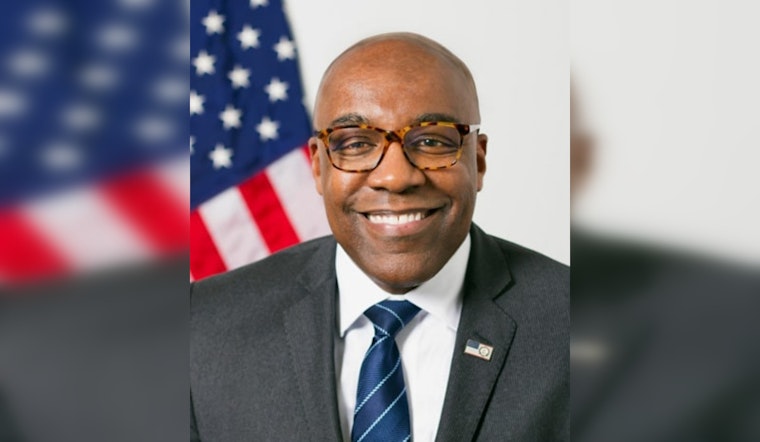
Illinois Attorney General Kwame Raoul, backed by a chorus of 21 attorneys general, has mounted firm opposition to the Department of Energy's (DOE) suggested weakening of anti-discrimination regulations. In the concerted effort, they submitted four joint comment letters that starkly outline the ramifications of such a rollback. The consensus is clear: dismantling these protective measures would be a severe blow to civil rights advances hard-won over the decades.
According to a statement obtained by the Illinois Attorney General's office, Raoul stated, "These laws have long served as the bedrock of equity, ensuring all Americans have access to education, health care, housing and other federally funded programs." The attorneys general contest the proposed rollbacks, insisting they thwart Americans' right to equal access and protection from discrimination. Joined at their side, the attorneys general spanning from states like Arizona to Wisconsin, aim to preserve the structural integrity of civil rights.
The DOE's proposal specifically targets regulations born from pivotal civil rights legislation: Title VI of the Civil Rights Act of 1964, Title IX of the Education Amendments of 1972, and Section 504 of the Rehabilitation Act of 1973. These regulations prohibit discrimination based on race, sex, and disability within federally funded programs. Yet, the DOE's failure to produce evidence-based justification for changes, Raoul argues, stands contrary to the transparent and reasoned lawmaking mandated under the Administrative Procedure Act.
Should the regulations fail to hold, the attorneys general warn, the fallout could be immediate and tangible; key investigation and enforcement tools against discrimination in federally funded initiatives might vanish. The comment letters, as explained by the Illinois Attorney General’s office, highlight a pressing concern: without the DOE's construction standards, individuals with disabilities will face new hurdles to accessing the very institutions, schools, labs, and energy facilities that should epitomize opportunity and progress, not retreat from inclusivity.





