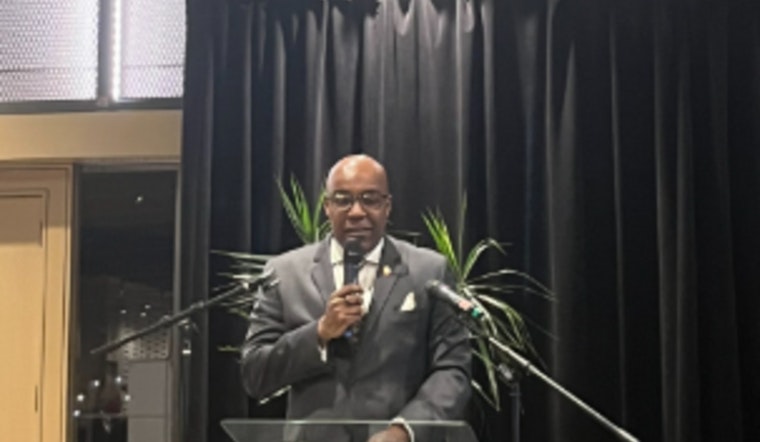
Birthright citizenship is emerging as a defining civil rights issue of our time, with states like Illinois leading a multistate lawsuit challenging the Trump administration’s attempt to redefine a core element of American identity. Earlier this week, Attorney General Kwame Raoul appeared before the 9th Circuit Court to oppose an executive order aiming to deny birthright citizenship to children of non-citizen parents. A district judge had previously called the order “blatantly unconstitutional” and issued a preliminary injunction, which the administration is now appealing, as reported by the Illinois Attorney General's Office.
Expressing the stakes of the matter, Raoul, himself born to an immigrant mother not yet naturalized, stated, "As a birthright citizen myself, born to an immigrant mother not yet naturalized at the time, the fight to preserve birthright citizenship is a personal one," according to a statement on the Illinois Attorney General's official website. He, along with other state attorneys general, contends that the 14th Amendment and the federal Immigration and Nationality Act are clear in their intent, and any attempts by a president to unilaterally redefine citizenship parameters fall well outside the sanctity of constitutional boundaries.
If upheld, the executive order would have sweeping consequences, affecting undocumented parents and even those in the U.S. on valid work or study visas. Thousands of children born in Illinois each year could be denied citizenship, limiting their ability to vote, access housing, receive health care, and fully participate in society, as per the Attorney General’s office. The order could also cost states like Illinois vital federal funding that supports essential health and welfare programs.
As the legal battle continues, attention turns to the U.S. Supreme Court, which heard arguments last month on whether the injunctions should apply nationwide or be limited to the plaintiff states and individuals. A narrower ruling could lead to a patchwork of inconsistent policies across the country. While the Court’s decision remains pending, Illinois and its allies wait—not just for a legal outcome, but for what the Illinois Attorney General’s Office describes as a critical test of America’s commitment to its foundational ideals.