

























































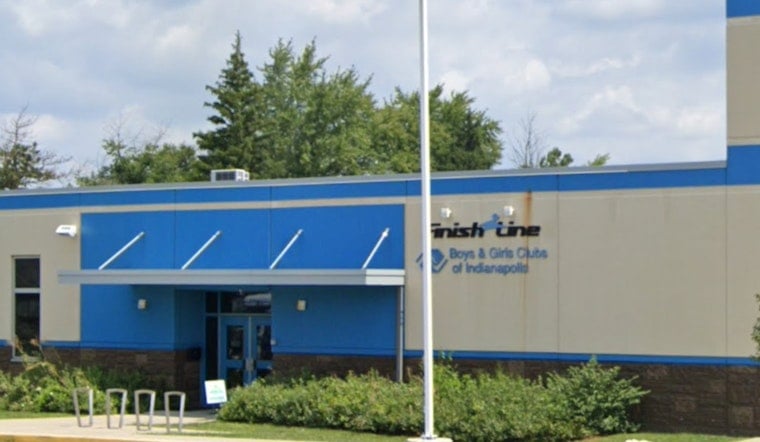
In a recent social media outreach, the Indianapolis Metropolitan Police Department (IMPD) has cast a light on a collaborative venture aimed at setting young people on a better path. The program in question, articulated by the Boys & Girls Club Juvenile Diversion Program, was crafted as a means for juveniles to avoid the stigma of a criminal record through a supportive and educational environment. Framed as a second chance, the program's essential premise is to foster a foundation where accountability and positive change can sprout.
The proposition here is simple: it's a lifeline. But not in the sense of a handout, rather a structure lifting those who have stumbled and offering firm ground. And for a demographic all too easily ensnared in the unforgiving jaws of the juvenile justice system, which too often cripples prospects before they even take shape, this initiative echoes the sentiment that "every young person deserves the opportunity to rewrite their story," as echoed by IMPD in their announcement.
The results, while not immediate, hinge on the sustained commitment from stakeholders, ranging from community leaders, law enforcement to the families, and the youth themselves. Critics, allies, and observers alike will watch closely as the progressive approach takes shape and leaves its indelible mark on the lives of many, in time to come. With preventive measures overshadowing punitive ones, IMPD and the Boys & Girls Club Juvenile Diversion Program are threading new narratives into the city's storyline, stories defined not by the mistakes of the past, but the promise, and potential of the future.





