

























































As we approach another Juneteenth on June 19, it's not just about celebration, it's a chance to look back and understand the deep historical significance of the day. Juneteenth commemorates the end of slavery in the United States, a moment in history that formally unfolded on the shores of Galveston, Texas, when Major General Gordon Granger issued an order on June 19, 1865, that led to the freedom of the last enslaved people in the state.
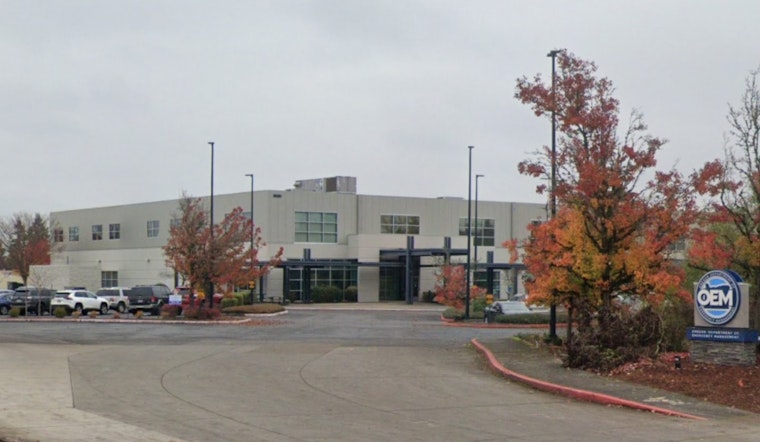
Shadowed by the celebrations, emergency management professionals see Juneteenth as a solemn time to ponder the results of historical injustices. Marginalized communities, particularly Black communities, grapple with the legacy of systemic biases that leave them more vulnerable to calamities today. As reported by the Oregon Emergency Management, such disparities arise from historical underinvestment and discriminatory practices like red lining.
So, while the people of Oregon and beyond prepare to engage in Juneteenth festivities, the holiday is also a call to action for those tasked with disaster response. Emergency management strategies must actively consider equity, ensuring that the needs of all communities, regardless of their historical backgrounds, are met. Local agencies are encouraged to involve the Black community in preparedness efforts and to become champions of the Be2Weeks Ready program.




