

























































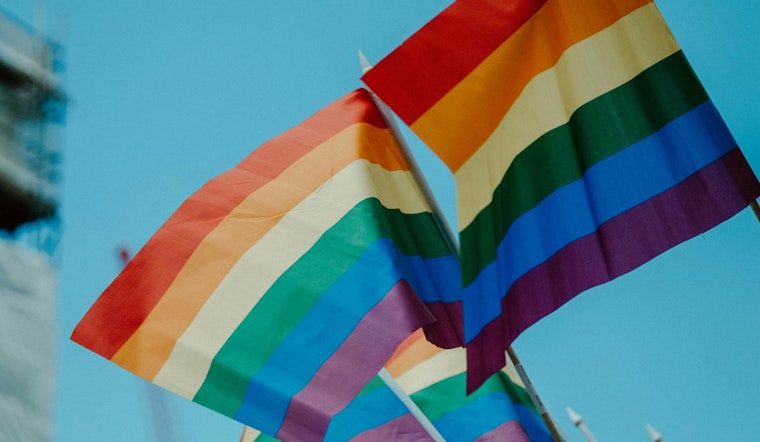
In the spirit of inclusion and recognition, the City of Mankato, Minnesota, has dedicated the month of June to Pride celebrations, weaving a colorful thread into the community's fabric. The city's government made an announcement via a social media post, informing the public that June has officially been recognized as Pride Month. With the intention of providing accessible education and fostering understanding, the City of Mankato has spotlighted a curated collection of learning opportunities and resources from respected institutions on their government website and social media platforms.
The array of resources, originating from renowned national entities such as the Library of Congress, National Archives, National Park Service, and the Smithsonian Institute, is meant to enlighten and enrich the community's perspective on LGBTQ history and culture. As stated in the City of Mankato's social media post, these materials are easily accessible online. They encourage residents to delve into the complex, oft-untold stories of LGBTQ individuals who have shaped the nation's narrative, and the enduring struggle for equality and recognition.
Recognizing Pride Month not only celebrates the diversity of the LGBTQ community but also underscores the importance of understanding the past struggles and victories that continue to influence today's societal framework. It's an effort by the city that resonates with the imperatives of advocacy groups who have long fought for visibility and acceptance. By making educational materials available for all, Mankato invites its citizens to actively participate in a dialogue that cultivates empathy, respect, and a more inclusive community for everyone.
Such initiatives are critical for the pervasive acknowledgement and integration of LGBTQ rights into the broader human rights discourse. By sharing these resources, Mankato stands as an example of how municipalities can actively participate in raising awareness about the multifaceted experiences of the LGBTQ population. It's a recognition that history is made up of many voices, lives, and, sometimes, battles that must not only be remembered but understood in the quest for an equitable society.




