

























































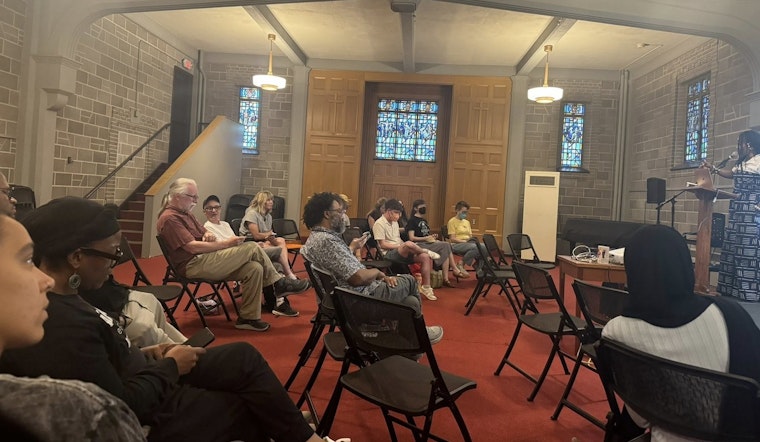
In a concerted effort to combat the opioid crisis, Minneapolis Ward 9 Councilmember Jason Chavez and Commissioner Angela Conley recently partnered with the Minneapolis Health Department to host a Naloxone (Narcan) Community Training. The event, which took place yesterday, aimed to equip local residents with crucial life-saving skills. During the free training session, participants were taught to recognize the symptoms of an opioid overdose and properly administer Naloxone. This drug has the capacity to reverse an overdose, potentially saving countless lives in critical situations.
Tapping into the necessity for such education in the community, the event has been met with positive feedback. As reported on social media, Jason Chavez announced, "the Minneapolis Health Department and I were able to host a Naloxone (Narcan) Community Training yesterday." This initiative underscores the ongoing battle with opioid overdoses, which have been surging across the nation. Having armed with the knowledge of how to respond to an overdose, community members are now better positioned to act swiftly in emergencies.
The impact of opioid misuse has been devastating, ripping through the fabric of communities with an unrelenting grip. By disseminating knowledge and resources like Naloxone, local authorities are taking a proactive stance. Emphasizing the significance of the training, Chavez promised that "We will share the next time our offices hosts these events in the future," signaling a continued commitment to public health and safety. The precise dates and times of future events are yet to be determined, but the promise to hold more suggests a dedication to making the trainings accessible to all who are interested.
As this public health issue continues to evolve, the proactive approach by Chavez and Conley, in collaboration with the health department, represents a beacon of hope for the community. With over 100,000 Americans dying from drug overdoses in a 12-month period ending in April 2021 according to the Centers for Disease Control and Prevention, the gravity of the situation is palpable. Each session hosted becomes a vital link in the chain of community resilience, fortifying the populace against the specter of addiction and its most dire consequences.





