

























































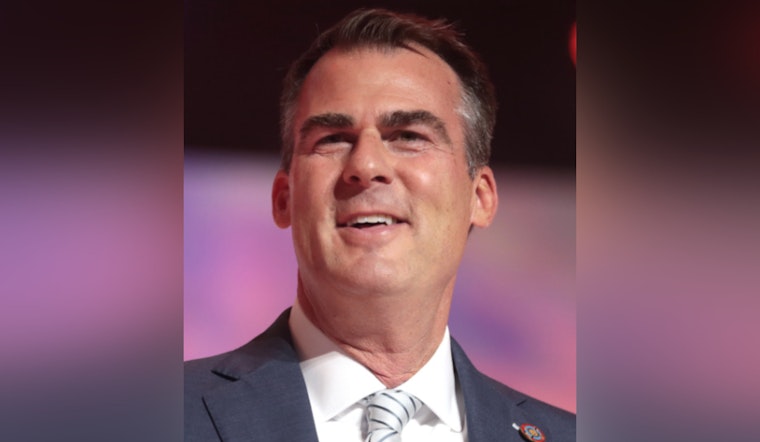
Governor Kevin Stitt and other Oklahoma officials are opposing a proposal from the City of Tulsa to give the Muscogee Nation exclusive authority to police its tribal members. The plan follows ongoing legal issues related to the O'Brien decision, which affected how state and local agencies handle crimes involving non-member Native Americans. “As elected leaders, it is our job to represent our constituents regardless of race, heritage, or political affiliation,” Stitt said. He also stated, “This proposed move by Mayor Nichols sets a concerning precedent and will make it impossible for elected officials and Oklahoma law enforcement to protect their communities.” Tulsa District Attorney Steve Kunzweiler questioned the plan, saying, “Why would the Tulsa mayor's office choose to undermine a right it fought so hard to establish for the citizens of Tulsa following the O'Brien decision,” according to the Office of the Governor.
State officials, including Secretary of Public Safety Tricia Everest, have voiced their concerns over the potential agreement's ramifications on public safety. "This agreement makes Tulsa and the State of Oklahoma less safe," Everest stated. Furthermore, Public Safety Commissioner Tim Tipton emphasized, "When a jurisdiction refuses to enforce our laws, all Oklahomans are put at risk." Officials assert that the seamless collaboration of law enforcement agencies is paramount for maintaining order and security throughout the state, as reported by the Office of the Governor.
Law enforcement officials in Tulsa are raising concerns about a proposed agreement involving tribal jurisdiction, warning it could lead to inconsistent application of justice. "Under the system proposed by this agreement, you can have a situation where two suspects committing the same crime are treated differently because of their affiliation with a tribe," said Patrick Stephens, chairman of the Tulsa Fraternal Order of Police Lodge 93. The ongoing debate has brought renewed focus to the issue of tribal sovereignty and its impact on law enforcement, as city and tribal leaders work to clarify the balance between tribal authority and state jurisdiction, as stated by the Office of the Governor.





_(cropped).jpg)