

























































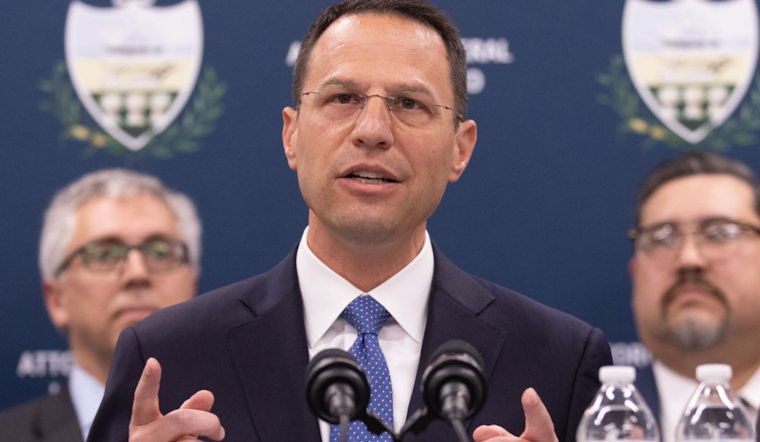
In a concerted effort to push back against the U.S. Department of Agriculture's (USDA) sudden termination of the Local Food Purchasing Assistance (LFPA) Program in Pennsylvania, Governor Josh Shapiro has lodged a lawsuit against the federal agency, a move stemming from what is described as an 'unlawful' cessation of a service which was a boon to local farmers and a major supply line for food banks, as reported by PaCast.
The $13 million at stake was no small sum as it underpinned the livelihoods of 189 farms, and by extension, the sustenance they provided to 14 food banks scrambling to feed those in need; Governor Shapiro, flanked by Agriculture Secretary Russell Redding and an assemblage of local agricultural stakeholders, stood before the Share Food Program in Philadelphia, declaring his administration's resolve to protect Pennsylvania's agricultural community and ensure the continuation of fresh, accessible food for Pennsylvanian families, which is a continuing theme of community resilience and gubernatorial commitment to local needs.
Despite a cascade of efforts to salvage the LFPA Program, which included an administrative appeal to the USDA, direct outreach to USDA Secretary Brooke Rollins, and an in-person meeting with USDA officials in Washington, D.C., the federal department maintained its course, spurning Pennsylvania's entreaties and prompting Governor Shapiro to choose the path of litigation, "When the USDA abruptly terminated our agreement without cause, they ripped away a reliable source of income for 189 Pennsylvania farms - and cut off funding that would have helped provide over 4.4 million meals to families across the Commonwealth. That's not just bad policy - it's a broken promise. A deal is a deal, and I've taken legal action today to ensure the federal government honors its commitment to Pennsylvania," Shapiro said.
The legal confrontation illustrates the high stakes of federal partnerships and the dependencies they create for local economies. Farmers like Brian Campbell of Brian Campbell Farms are stakeholders in a complex chain where federal policy decisions percolate down to the soil level of America's agricultural heartlands. Julie McCabe of the Pennypack Farm & Education Center, another voice at the fray, echoes a sentiment of disillusionment at the USDA's decision which has ramifications for the freshness and locality of produce available to families in need and underscores the very real pressures felt on the ground by the hundreds of Keystone State farms now at a tenuous juncture.




.jpg)