

























































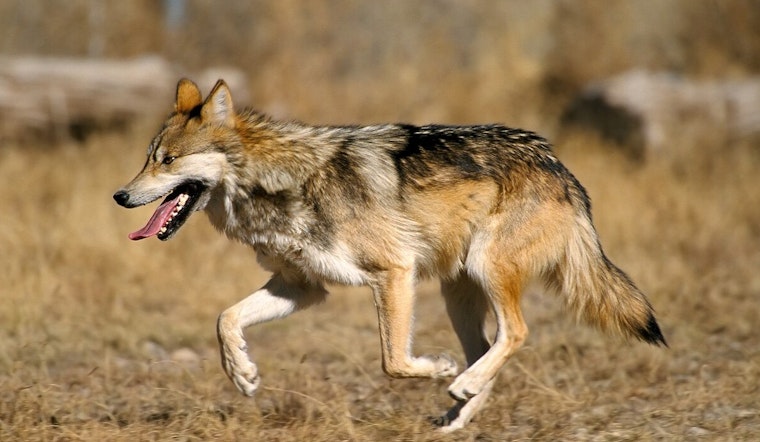
The debate over the future of the Mexican gray wolf in Arizona has reached new heights as Rep. Gail Griffin calls for the animal's removal from the Endangered Species Act protections. In an op-ed published by the Arizona Legislature, Griffin represents a standpoint firmly rooted in the interests of rural ranchers, whose lifestyles, she claims, are being harmed by the wolf's return to the state.
According to Griffin, "the Mexican wolf is a vicious predator that threatens our rural industries and way of life, stalking our livestock, children, and pets." With what seems to be a wave of 26 livestock, including horses and cattle, lost to wolf activity in Southeast Arizona this year alone, the concerns are not just theoretical for those who bear the brunt of the economic burden. Griffin also points to the hybrid nature of these wolves, arguing that they've become unnaturally accustomed to human presence, thus escalating the risk of danger to the local communities.
The pushback against the reintroduction program is framed as a financial strain on those it impacts directly and American taxpayers in general. The program's costs are staggering, with Griffin's op-ed citing over $220 million spent already and projections suggesting up to $59 million more through 2030. These figures come with an estimated cost per wolf of $500,000 to $1 million.
Highlighting the population counts, Griffin's piece notes, "With at least 286 wolves in the wild, the population has exceeded the number that nature can naturally provide." The program, originally intended to recover the wolf population, now seemingly exceeds its initial goal of 100 by a substantial margin, considering the 356 Mexican wolves also under captive care. Echoing the words of local ranchers, the representative argues that the wolf's protections under the Endangered Species Act are no longer necessary and management should fall to state and local officials.
The legislator's stance is backed by actions from fellow Arizona leaders who have adopted resolutions and penned letters to Congress, advocating for legislation to de-list the Mexican wolf. They stress that community safety and the protection of a rural way of life are at stake here. Griffin closes her argument with a call for Washington to heed the voices of rural Arizona, suggesting that it is necessary to "stand up against this unfounded and unjust system."
Griffin serves as the Republican member of the Arizona House of Representatives for Legislative District 19. Her position as Chairman of the House Natural Resources, Energy & Water Committee adds to her influence over environmental and conservation-related issues in the state. As the debate continues, the future of the Mexican gray wolf in Arizona hangs in the balance, entangled with the concerns of ranchers and local economies.



